
Erie advisory board starts review of protections for open space bought with trails tax
Erie’s Open Space and Trails Advisory Board has been asked to examine whether land bought with the town’s Trails and Natural Areas tax has the protections voters may expect, including whether some parcels should be rezoned to reserved open space.
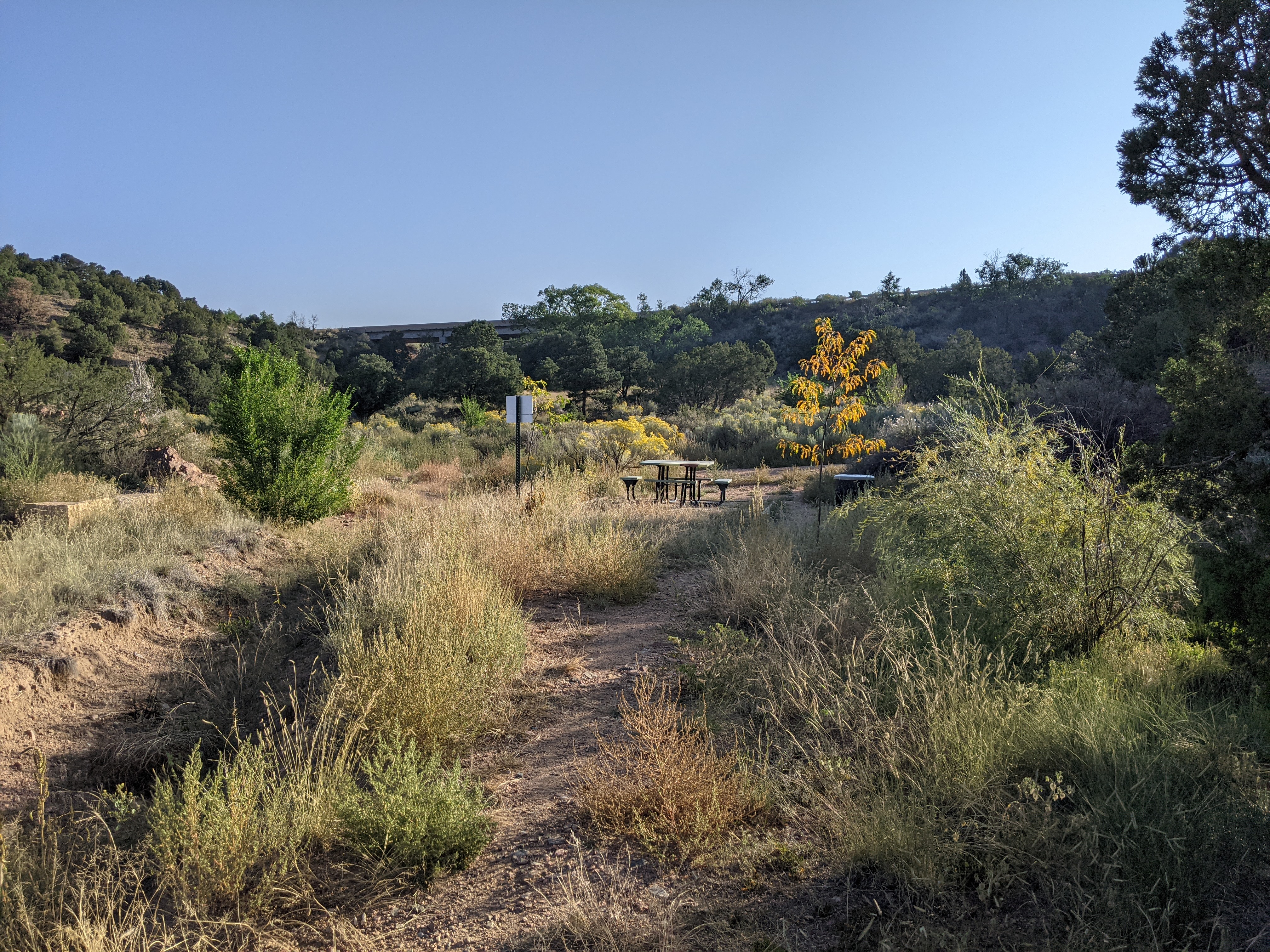
Erie’s Open Space and Trails Advisory Board has begun reviewing whether town-owned open space acquired with the town’s voter-approved trails and natural areas tax has the legal protections residents may expect.
During a June 8 board meeting, board members, staff and a council liaison said in public discussion that Erie’s current open-space inventory is effectively 0% designated reserved open space and 100% agricultural open space. During that discussion, they also said the board had been asked to examine what that means for town-owned land acquired with Trails and Natural Areas funding.
The distinction matters because reserved open-space zoning may provide a stronger barrier against a future sale or rezoning than agricultural zoning. But the public record reviewed for this story still does not establish a parcel-by-parcel answer to a central question: which town-owned open-space properties were bought with that tax revenue.
At the same June 8 meeting, staff and council members said OSTAB has been asked to review the charter, zoning code and wording of prior Trails and Natural Areas ballot language, then recommend what land should be rezoned and what level of protection should apply.
Erie’s current property-tax levy schedule lists a 4-mill tax for “Trails and Natural Areas Acquisition.” In a 2022 update about renewing the tax, the town said the TNACC fund “can only be used to fund the purchase of natural areas and open space, creates and connects trails, preserves wildlife habitats, protects natural areas around creeks, and conserves scenic landscapes.”
A 2023 Home Rule Charter Commission presentation posted by the town said the town must maintain a fund for buying and maintaining open space and that “open space cannot be sold or rezoned without voter approval.” But that source is a presentation, not the enacted charter text itself, so the exact legal trigger remains unclear from the public documents reviewed for this story.
The June 8 discussion also raised a budget question tied to the Page property. Staff told the board the proposed 2027 Trails and Natural Areas Fund budget would reimburse the general fund by about $3.35 million over five years for the Page purchase — roughly $670,000 a year, subject to annual appropriations.
According to staff’s summary to the board at that meeting, that reimbursement is part of a roughly $5.53 million recommended 2027 TNAF appropriation package. Staff said the budget also includes Coal Creek restoration, trail connections, signage, the annual open-space management plan update and Schofield Farm redevelopment, with an ending fund balance projected at about $2 million on about $3.7 million in revenue and about $5.5 million in expenditures.
The available record does not quantify exactly which of those other priorities would be delayed, reduced or displaced by the Page reimbursement schedule. But the meeting discussion indicates that paying back the general fund would consume a substantial share of TNAF spending capacity over several years while the town continues funding other open-space and trail work.
The same meeting also included a more detailed update on the Page property itself. Staff said during that discussion the town is studying it as a full open-space acquisition and expects consultant work on environmental conditions, trail and parking potential, reclamation needs, and possible future uses for the house and surrounding land.
Board members discussed possible future uses such as interpretive or community space, while others cautioned against undermining the site’s open-space character. But the meeting record reviewed for this story does not show the town has made a final decision on how the house or surrounding property will be used.
Staff told the advisory board during the June 8 meeting that a full review of open-space properties, ballot language and code provisions would not realistically begin until 2027. More detailed study of the Page property itself, including questions about reimbursement and future use, was described as likely extending into 2028.
For now, the near-term question is whether Town Council wants to accelerate the broader protection review instead of waiting for that timeline. As of the June 8 discussion, the review was framed as a new assignment for OSTAB, not as a completed legal determination or a council-directed rezoning package.
What is clear is narrower but still significant: Erie officials have publicly acknowledged that the town needs to determine whether open space bought with a voter-approved acquisition tax has the protections voters expected, which parcels are affected, and whether rezoning some land to reserved open space would better preserve a future public vote before any sale or rezoning. The Page property discussion adds that the town is also weighing how to finance, study and potentially use a major recent acquisition while that broader policy review remains unresolved.