
Erie Town Council deadlocks on Draco mineral-rights sale, leaving deal unresolved
Erie’s proposed sale of town-owned mineral rights tied to the Draco project failed on a 3-3 vote June 16 after residents criticized the process as opaque, rushed and risky.
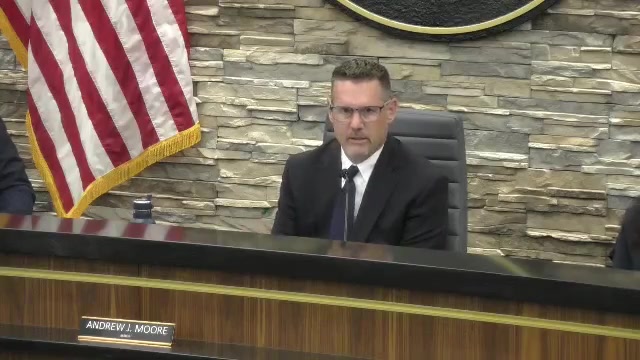
Erie’s proposed sale of town-owned mineral rights tied to the Draco oil-and-gas project failed June 16 when the Town Council deadlocked 3-3 after a lengthy special hearing dominated by residents who said the town had moved too fast and disclosed too little about the deal, according to the council’s meeting video.
The tie vote meant the ordinance authorizing the transaction did not pass that night. The June 16 hearing record shows council closed the public hearing, took a roll call and announced that the motion had failed.
The proposal before council would have traded the town’s remaining Draco-area mineral interests for cash, land, future production revenue and other concessions tied to the already approved drilling project, town background materials say.
At the hearing, residents pressed several overlapping objections. Public comment and council discussion in the June 16 video show repeated criticism that the town relied too heavily on executive sessions, did not give the public a meaningful chance to compare alternatives, and had not adequately explained why it pursued the agreement without a competitive bidding or request-for-proposals process.
Residents also tied those process complaints to broader fears about the Draco project itself, raising concerns during public comment June 16 about health and safety, groundwater and air quality, property values, greenhouse-gas emissions, and drilling activity near neighborhoods and children. Some urged council to keep the town’s mineral rights as leverage instead of converting them into a negotiated package.
Some residents also argued during the June 16 hearing that mineral rights under open-space parcels should not be sold without voter approval under Erie’s charter.
In response, the town attorney said during the same hearing that the charter’s protection applies to land designated as “reserved open space,” and that council made a 2024 determination that only land with that designation qualifies. The attorney said Erie does not currently have any land designated as reserved open space.
Supporters of the proposal, including council members who favored it, argued during council deliberations June 16 that the town was deciding how to respond to a project that would move forward regardless and should use its mineral-rights negotiations to secure the best available return.
Those supporters pointed to the town’s projected financial upside and to operational concessions they said Erie would not otherwise control. During the June 16 deliberations, backers described the deal as bringing a $4.5 million upfront payment, potentially larger future production revenue, land the town values at $13.575 million and an agreement to plug and abandon 17 additional wells within five years.
The vote leaves unresolved what comes next for Erie’s remaining municipal mineral interests in the Draco area. The town has said the Draco site itself was already approved by the Colorado Energy and Carbon Management Commission. The question before council was whether Erie would sell the mineral interests it still controls and accept the negotiated compensation and site-specific terms.
The proposal had drawn criticism before the special meeting. Residents also focused on the pending sale during public comment at Erie’s June 9 council meeting, urging more public discussion and environmental review before any vote. Erie also held an April 21 public meeting to hear comment on a possible mineral-rights sale connected to the Draco well pad. Yellow Scene reported that a June 2 study session drew continued resident questions about groundwater, wastewater, health impacts and the negotiating process.
Before the June 16 vote, town officials had argued that the proposal would convert Erie’s remaining bargaining leverage into compensation and project concessions after a 2025 state law took effect that the town says bars forced pooling of municipal mineral rights. Town materials say the package under discussion also included commitments related to well plugging and town inspection access connected to the Draco site.