
Lafayette forecasts slower tax growth, another property-tax dip as bond work advances
At a June 23 workshop, Lafayette staff told council sales- and use-tax growth is projected at 1.5% in 2026, property-tax revenue is expected to fall again, and the first capital bond sale is now targeted for October 2026.
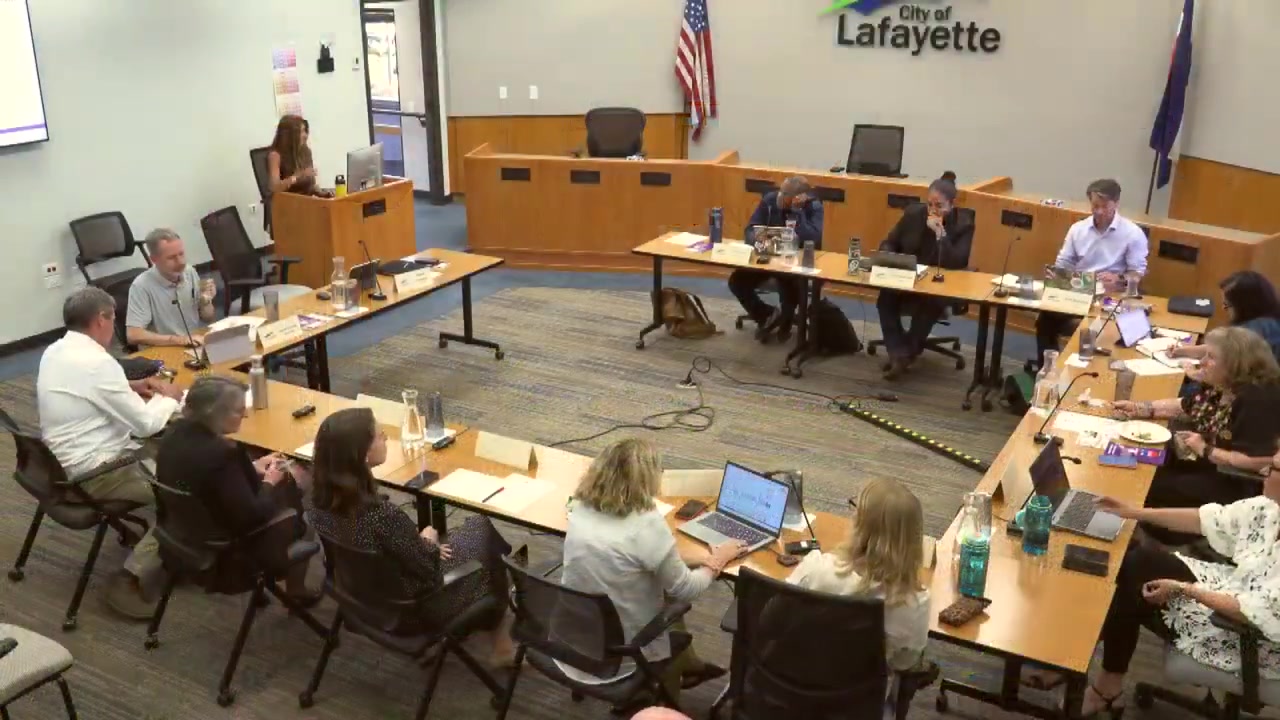
Lafayette staff told the City Council on June 23 that the city is entering a tighter budget stretch, with sales- and use-tax growth forecast at 1.5% in 2026 — below inflation — and property-tax revenue expected to decline again after a drop tied to a new state law affecting assessments.
The workshop included no vote. But it sharpened the city’s near-term fiscal picture and outlined next steps for Lafayette’s voter-approved capital bond program, along with possible changes to investment policy and purchasing approvals.
Staff said Lafayette collected about $31 million in sales and use tax in 2025, helped by one-time items including 9-mile revenue sharing, building use tax and audit revenue. Those factors, they said, help explain why 2026 growth is projected to slow to 1.5%.
Property tax brought in about $13.7 million in 2025, staff said. They projected another decline in 2026 and a smaller decline in 2027, though the workshop record reviewed for this story did not give the size of those drops.
Staff also said general-fund expenses have exceeded revenue for the past few years, requiring use of fund balance. They said Lafayette remains above its 25% reserve-policy level, but the workshop record did not identify a specific amount of fund balance planned to cover current expenses.
Personnel costs were a major focus. Staff said wages and benefits have contributed to expense growth and now account for roughly 65% of general-fund spending. Council members also discussed whether the city needs to diversify revenue sources as consumer spending softens.
On the capital side, staff said the first bond series is now expected in October 2026. The first issuance would cover the Bob L. Burger Recreation Center and the service center, with later phases to follow.
Staff said the city expects to issue about $40 million in the first sale and the remaining roughly $34 million about a year later. They said the timing is meant to better match project schedules and federal tax rules requiring a reasonable expectation that most bond proceeds will be spent within three years.
Before that sale, council is expected to consider a bond authorizing ordinance on Sept. 1 and Sept. 15.
The workshop also previewed two policy discussions tied to the bond work.
Staff said the city is preparing updates to its 2018 investment policy to modernize language, broaden investment flexibility and add sustainability language.
They also proposed changing purchasing procedures so the city manager could approve more contracts within budget authority, rather than sending as many items to council for separate approval. Staff said the goal is to keep large bond-funded projects moving while preserving existing purchasing and bid requirements.
Council members appeared open to streamlining but resisted removing oversight entirely, discussing a possible middle-ground approach with thresholds or reporting requirements instead of approval for every contract action. Staff said they would return with revised proposals.