
Louisville council considers ballot measure to extend historic-preservation sales tax
The proposed 10-year extension would broaden eligible uses and raise the Museum Campus allocation cap to 30%.
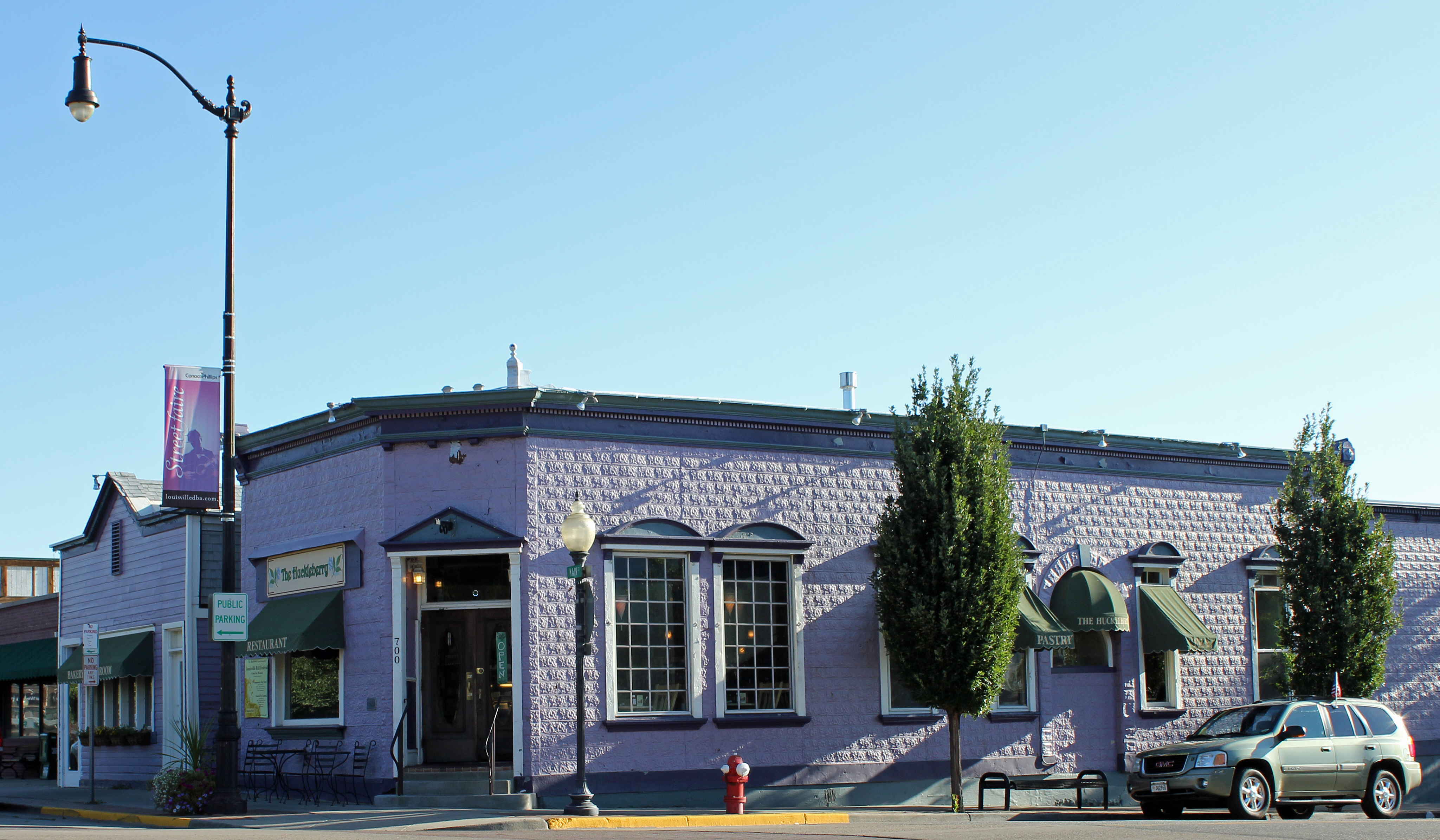
Louisville City Council is considering asking voters to extend the city’s 0.125% historic-preservation sales tax for 10 years, broaden eligible spending and raise the maximum share for the Louisville Museum Campus from 20% to 30%.
Ordinance 1928 was presented at first reading July 14 for referral to the Nov. 3, 2026, coordinated special election. The proposal has not been adopted, and voters have not approved it. Although staff recommended a public hearing and second reading July 21, the meeting record said the date would be set later; official materials reviewed as of July 15 do not confirm that the hearing was scheduled.
The proposed ballot question would ask whether city taxes should increase by $1.5 million in 2029 and annually afterward by the amount generated by continuing the 0.125% sales tax from Jan. 1, 2029, through Dec. 31, 2038. It also would authorize the city to retain and spend the revenue as a voter-approved change under Colorado’s Taxpayer’s Bill of Rights, or TABOR. The existing 0.125% historic-preservation use tax would continue alongside the sales tax.
Changes to the historic-preservation fund would take effect Jan. 1, 2027, two years before the proposed sales-tax extension. The measure would allow money for city programs and capital projects that promote and preserve Louisville’s history and cultural heritage, in addition to existing uses including historic-resource incentives, preservation of contributing buildings, compatible-development design incentives and administrative costs.
Spending outside historic Old Town Louisville would require approval from at least five council members. The Historic Preservation Commission would review and recommend program and capital uses, while the council would retain final approval.
The staff report says the current sales tax generates about $900,000 annually. At that level, a 30% Museum Campus share would be about $270,000, compared with about $180,000 under the current 20% allocation. The $1.5 million figure in the ballot language is substantially higher than current collections. Staff said it was set high to avoid a TABOR refund if revenue exceeds expectations, not as a forecast of first-year collections.
The city estimates the election question will cost more than $32,000. The 2026 budget includes $110,000 for elections, the staff report says.
The proposal follows a Historic Preservation Tax Task Force created by the council in May. The task force recommended extending the tax at the same rate, expanding eligible uses and directing 30% to 40% of revenue to the museum. The council later directed that the ordinance specify 30%.
The staff report cites more than $3.8 million in preservation grants to 40 recipients since 2016, more than $405,000 in pre-landmarking assessments for 73 recipients and more than $1.1 million in Historical Museum funding from 2019 through 2025.
The public materials reviewed do not identify a specific Museum Campus project, operating shortfall or budget analysis explaining why the council chose 30% rather than another figure in the task force’s range. The ordinance remains a proposal pending further council action and, if referred, a public vote.