
Colorado extends Ferris Fire emergency, authorizes $958,000 for response and recovery
The state authorization covers broad Ferris Fire work but identifies no recipients or line-item projects; evacuations and fire-specific area closures have been lifted.
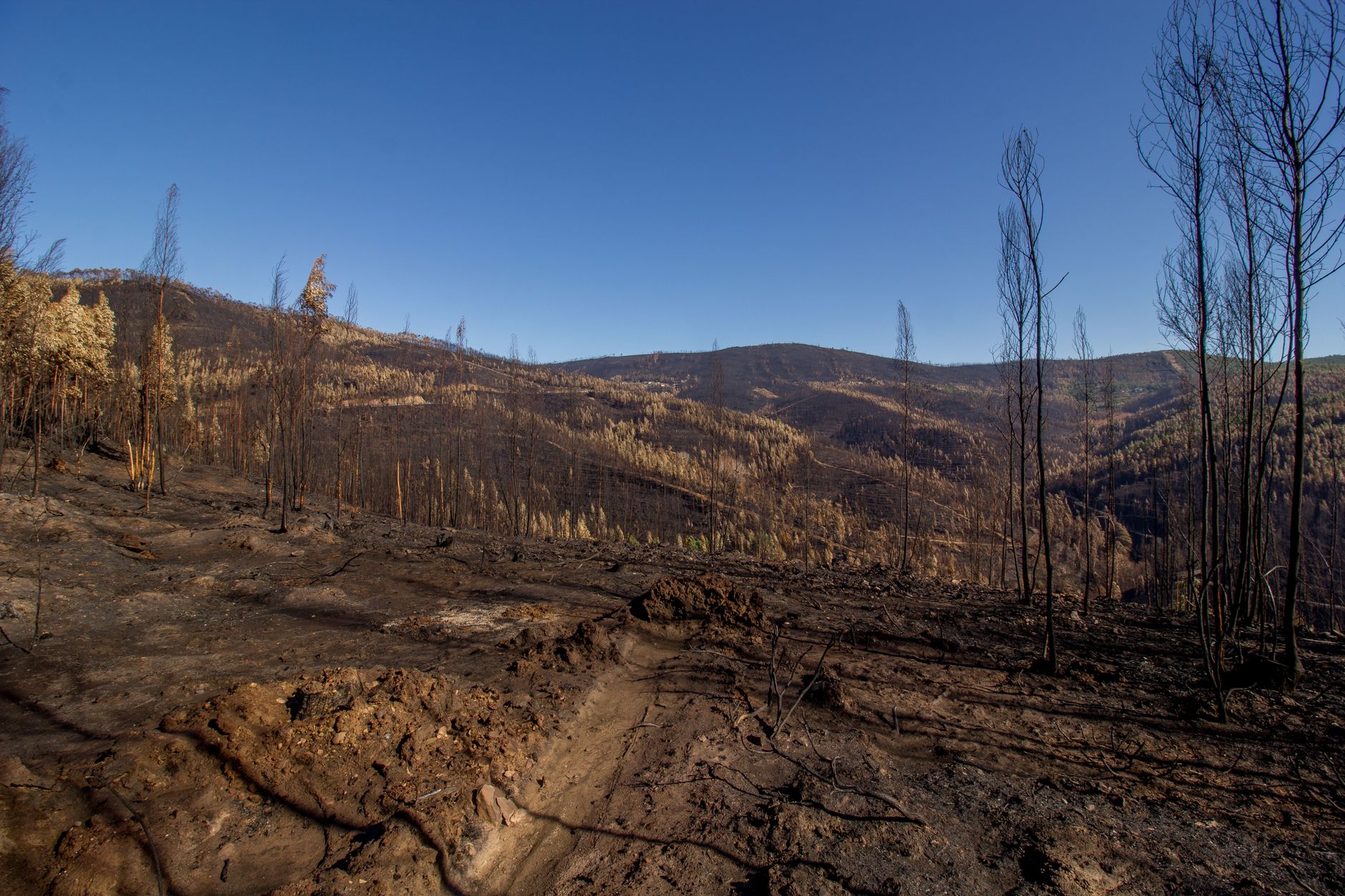
Colorado extended the disaster emergency for the Ferris Fire and authorized $958,000 in state reserve money for suppression, mitigation and recovery. The executive order does not identify the agencies, nonprofits, projects or vendors that will receive the money.
Gov. Jared Polis’ Aug. 6 executive order transfers the money from the State Emergency Reserve Cash Fund to the Disaster Emergency Fund and encumbers it for Ferris Fire “suppression, response, consequence management, mitigation, and recovery efforts.” It authorizes the Office of Emergency Management to distribute the money to government agencies and nonprofit organizations through awards, purchase orders or other mechanisms.
The order sets the available funding and broad eligible uses, not a line-item spending plan. It does not say how much any agency or organization will receive. The money will remain available for 72 months from Aug. 6; the extended disaster declaration expires 30 days after Aug. 6 unless Polis extends it again.
The order says the Disaster Emergency Fund’s existing money is insufficient for fire-related work. It also authorizes unarmed Colorado National Guard members to support suppression and response as determined necessary by the Colorado Department of Public Safety, directs state agencies to seek federal funding and allows qualified out-of-state emergency medical providers from non-Compact states to work under specified oversight during the response.
Fire status and remaining work
The latest official incident update located for this report, posted July 29, listed the fire at 64,881 acres and 97% contained, with 107 personnel assigned. The fire began June 27 after lightning ignited fires in and near the San Juan National Forest in Dolores and Montezuma counties.
With containment high, crews have shifted toward suppression repair and recovery, including chipping fuels, removing hose and pumps, inspecting equipment, assessing erosion and other damage, and addressing hazards from burned trees and unstable ground, The Journal reported July 24.
The order does not specify which activities will be paid for with the $958,000, and no public source reviewed for this report identified an award or expenditure from the reserve authorization.
Evacuations and restrictions
All Ferris Fire evacuations had been lifted by the latest InciWeb incident update. The San Juan National Forest and Bureau of Land Management also lifted fire-specific area closures effective July 29, while warning of heavy equipment, fire-weakened trees, hot spots, ash pits, loose rock, flash flooding and debris flows.
The San Juan National Forest reduced broader fire restrictions effective July 30: Zone I moved from Stage II to Stage I, and Zone II moved from Stage II to no restrictions, according to the Forest Service alerts page. Those are forest-wide rules, not a new Ferris Fire evacuation or closure order.
No later official acreage or containment update than July 29 was located before the Aug. 6 extension. The incident page said additional updates would be issued as needed if conditions changed.