
Louisville’s preliminary capital plan totals $143.9 million; $292.1 million remains unfunded
Louisville’s Aug. 11 budget follow-up is scheduled to consider a preliminary $143.9 million capital plan, $292.1 million in unfunded projects and proposed service changes ahead of fall budget milestones.
Louisville’s preliminary 2027-32 capital-improvement plan totals $143,883,335, while a separate inventory of unfunded projects totals $292,057,066. The City Council is scheduled to discuss the plans and proposed service changes at its Aug. 11 budget follow-up; the agenda report describes the council’s role as discussion and direction, not approval.
The records reviewed do not show an adopted capital plan, appropriation or final decision on proposed service reductions. Staff is scheduled to present the city manager’s recommended budget Sept. 1. A budget public hearing and final-budget presentation are scheduled for Oct. 20, followed by adoption of the 2027-28 operating and capital budget and 2027-32 CIP on Nov. 2.
Preliminary capital plan
The funded plan allocates $66.09 million to the Capital Projects Fund and $52.76 million to the Water Utility Fund. Other large categories include $8.79 million for wastewater, $5.79 million for stormwater and $4.37 million for recreation, according to the city’s recommended-CIP materials.
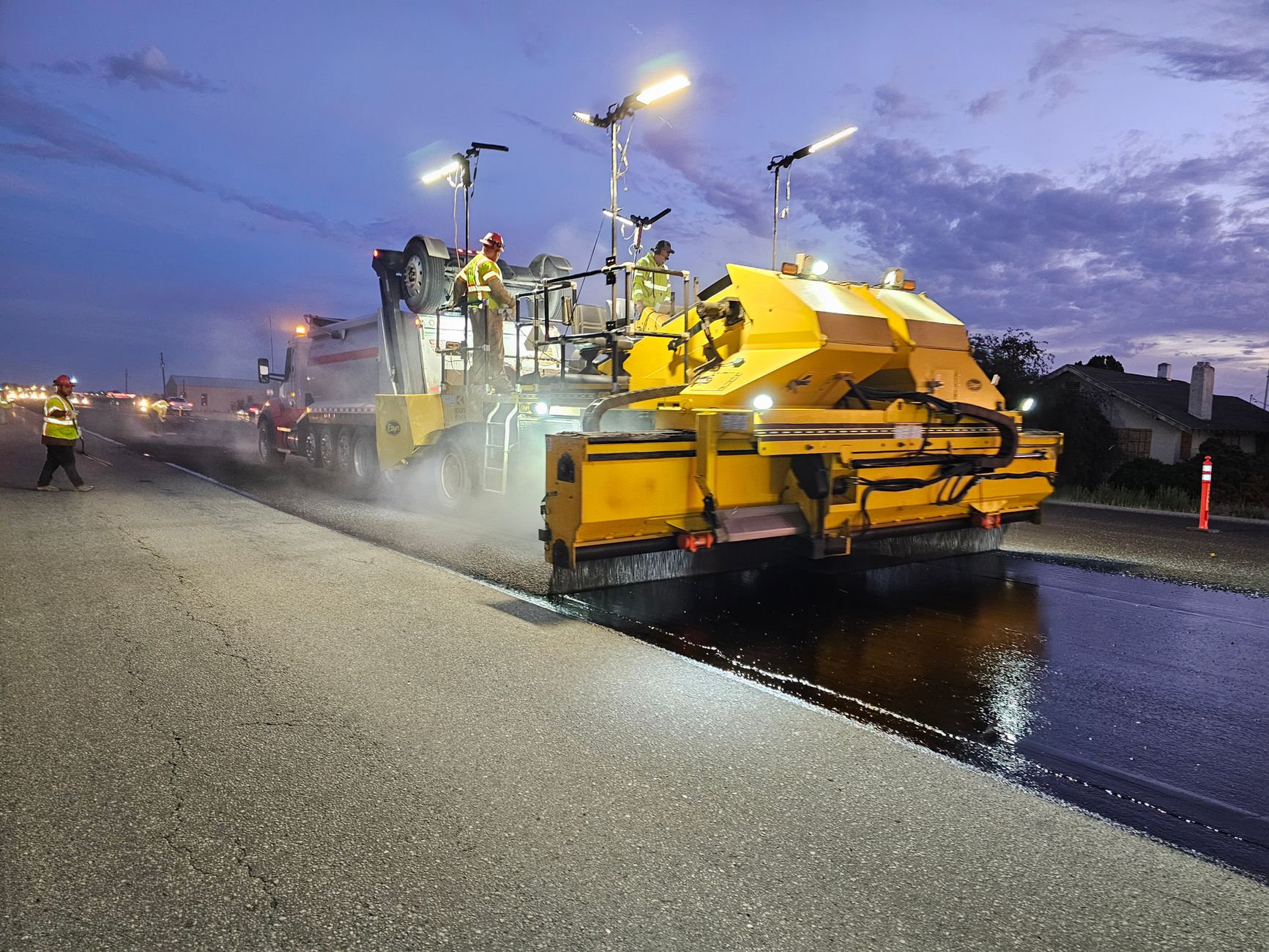
The largest individual funded item is a $34.669 million annual roadway-resurfacing program. The plan also includes waterline replacement, Windy Gap firming, raw-water integration, South County Water Treatment Plant improvements, wastewater and stormwater work, playground replacements, technology upgrades and citywide electric-vehicle charging.
Staff said initial requests exceeded $400 million across more than 200 projects. The preliminary plan prioritizes existing-asset maintenance, critical infrastructure, technology, grant leverage and potential bond financing. Staff also said it would continue refining the plan and reassessing whether existing projects should proceed based on implementation capacity.
Unfunded projects and paving choice
The Capital Projects Fund accounts for $268.07 million of the $292.06 million unfunded inventory. Major items include a $140.8 million citywide underpass project, $46.2 million for CO42 corridor enhancements, $23.25 million for City Services 2, $15.52 million for recreation-center decarbonization and $10 million for clubhouse renovation and expansion. The unfunded-project inventory identifies needs, not a construction schedule or formally rejected projects.
Staff presented a choice between keeping pavement spending at about $5 million or more annually and reducing it to roughly to direct the difference to . Staff said the lower level could temporarily maintain a Pavement Condition Index of about 73 or 74, but harsh winters or arterial needs could require more money. The records do not establish that the council selected the redirection, approved Phase 2 or changed the CIP.