
Longmont board sets 91-point threshold for 2027 human-services funding
The advisory board approved a new scoring threshold as the city reports rising demand for housing, shelter and homelessness-prevention services.
The Longmont Housing and Human Service Advisory Board voted 6-2 to use a 91-point cutoff when evaluating applications for the city’s 2027 human-services funding, according to minutes included in the board’s Aug. 13 packet. The board selected Option 2 at its July 9 meeting.
Under the plan, agencies must average at least 3.25 points on each evaluation question to be considered for funding. The application cycle opened June 29 and closed Aug. 12. The advisory board will review applications and send funding recommendations to the Longmont City Council for final approval, the city says.
The competition is open to nonprofit, nongovernmental and governmental agencies serving Longmont residents. Eligible programs must primarily benefit low- and moderate-income residents and address one of six areas: housing stability; self-sufficiency and resilience; food and nutrition; health and well-being; education and skill building; or safety and justice.
The city’s 2027 application guide says requests below $10,000 would not be considered. A request also could not equal 30% or more of a program’s total budget. For example, a program with a $100,000 budget could request no more than $30,000. The City Council encouraged collaborative applications.
The scoring framework has eight categories: alignment with Longmont priorities, community-needs assessment, evidence-based practices, service to the target population, program evaluation and improvement, outcomes and impacts, collaboration, and racial equity, diversity and inclusion. Each category is scored on a 1-to-5 scale, from “not addressed” to “exceptional / exceeds expectations,” according to the board packet.
The packet does not explain how the eight scores are converted into a 91-point total or describe the dollar amounts and other differences between the two funding tiers. The agenda for the Aug. 13 meeting listed Foundant training and a scoring review, suggesting the evaluation process was still under review after the July vote.
The city said in a 2027 funding-cycle announcement that requests and the total amount sought have grown rapidly, while funding set aside for human services has grown more modestly.
The board packet documents demand among programs serving residents experiencing housing instability and homelessness. Through midyear 2026, Home Steady reported assisting 39 households or individuals with $170,623 in direct aid, including $160,305 for rent, $4,363 for utilities and $5,955 for other expenses. The program also reported providing financial-skills support to 32 participants.
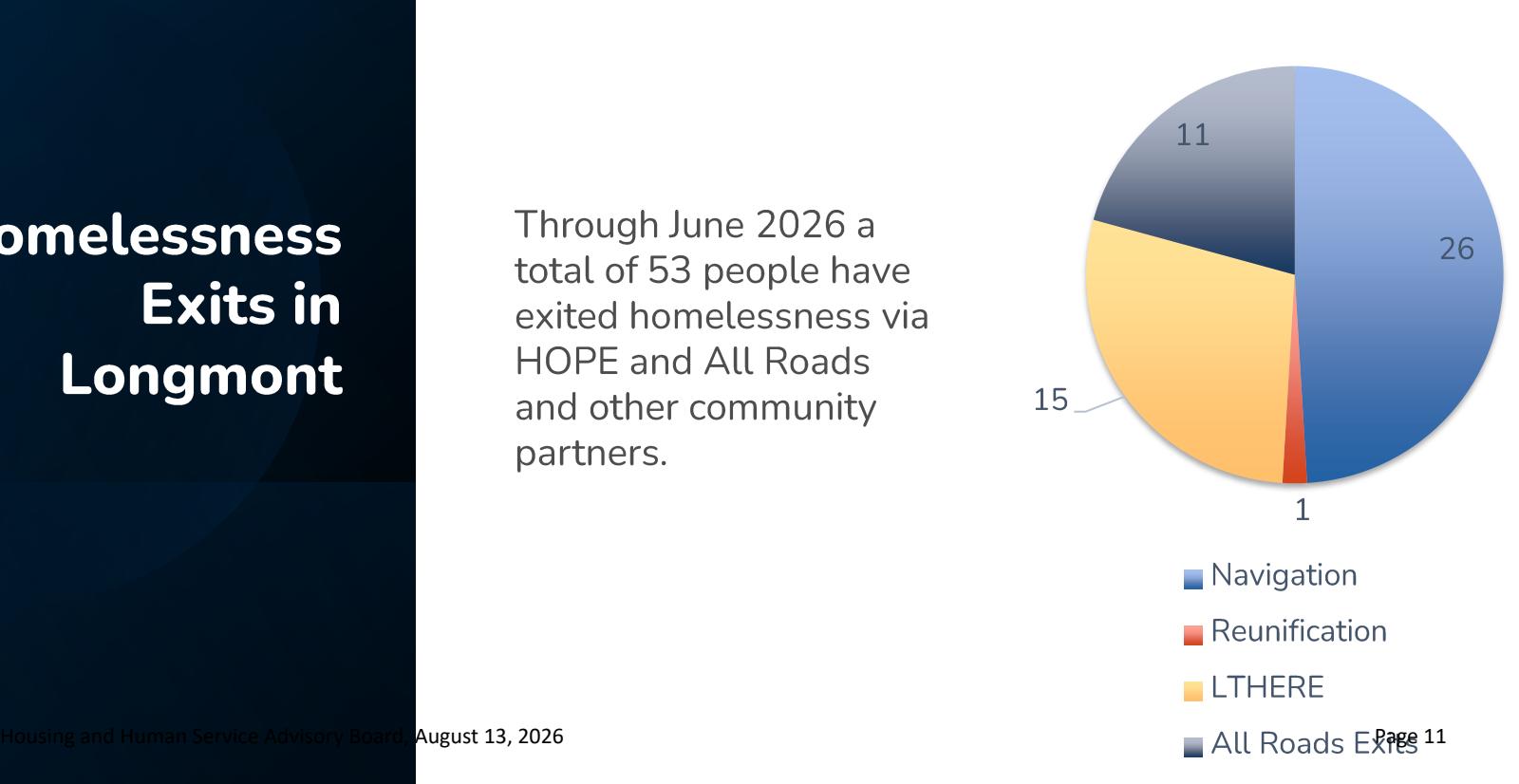
Through June, HOPE reported 3,667 shelter stays, including 115 emergency-weather stays, while All Roads reported 2,470 stays. LTHERE outreach workers reported 71 unique contacts, 38 people helped obtain vital documents and 295 case-management appointments. The packet said 53 people exited homelessness through June through HOPE, All Roads and other community partners, including 15 who moved from the street into housing.
The city’s homelessness information says HOPE operates two shelters, each with space for up to 49 adults. The city cautions that its Coordinated Entry figures cover single adults who accessed services and exclude homeless families and people who did not seek help through the system.
The records do not identify which organizations applied for 2027 funding, how applications will score, the total funding pool, requested amounts or the schedule for recommendations and final City Council approval.