
Longmont weighs accelerating $4.5 million Spring Gulch channel construction
The city has not decided whether to move the project ahead of schedule or how to pay for it; interim maintenance is planned, but the available public record does not document site-specific testing tied to residents’ complaints.
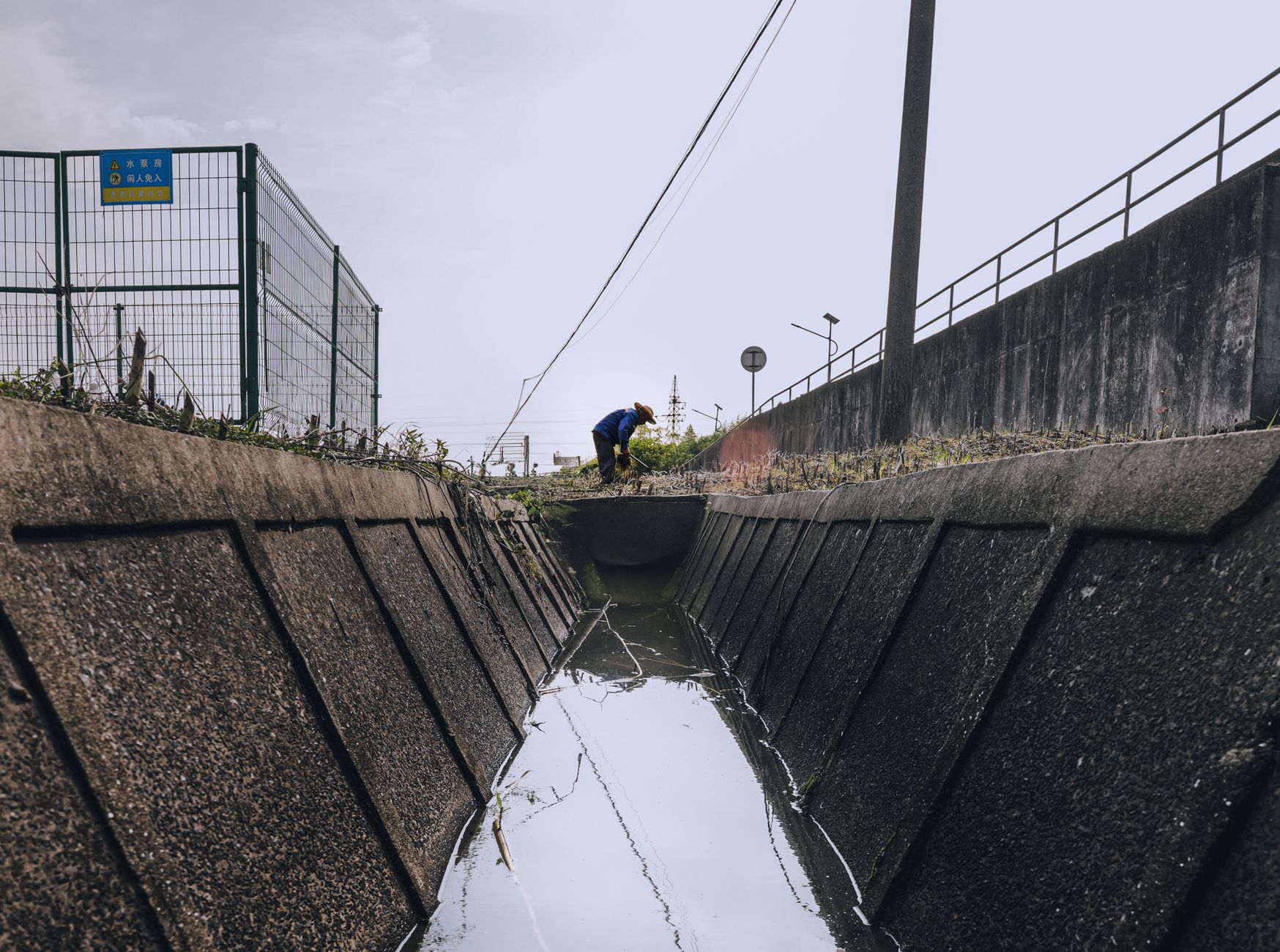
Longmont is considering accelerating construction of a roughly $4.5 million Spring Gulch channel project after Pleasant Valley residents reported stagnant, algae- or vegetation-choked water, strong odors and mosquito concerns. The City Council has not decided whether to advance the project or how to pay for it.
During an Aug. 11 pre-session discussion, city staff told the council the project is scheduled for design in 2028 and construction in 2029. Staff discussed moving design to 2027 and construction to 2028.
The project would deepen and narrow the northern section of the channel between U.S. 66 and Pace Street to improve water flow. Staff estimated design costs at $300,000 to $317,000 and construction costs at about $4.5 million.
Moving the project forward would require delaying or reducing another capital project, staff said. Potential competing priorities include stormwater-main replacements in older parts of Longmont, where failures and road collapses have occurred, and flood-resilience work. Staff estimated that $15 million to $20 million remains to complete the city’s RSVP flood-resilience project.
The Stormwater Fund is under pressure, and city money generally cannot be shifted from water or wastewater funds to stormwater work without a legal and financial connection, staff said. No specific project was identified for delay or reduction, and the council gave no formal direction at the pre-session.
The city’s capital-improvement plan was scheduled for its first council review of the year on Sept. 1. The discussion was preliminary, rather than a vote or funding recommendation.
Interim maintenance planned
Residents brought concerns about pooling water, vegetation growth, odors and mosquitoes to the city’s Water Board in June and July, according to the meeting presentation.
A newly funded spider excavator is expected to arrive around September or October, staff said. The equipment could allow interim maintenance in parts of the channel that have been difficult to reach. Removed material could potentially be dried and reused if suitable; testing and other procedures would be required if it showed signs of contamination.
The pre-session presentation did not report completed water-quality sampling, algae identification, mosquito testing or inspection, odor monitoring, soil testing or a public-health assessment tied to the Pleasant Valley concerns. It described possible testing if contamination is suspected, not testing that had already occurred.
Longmont’s capital-improvement program describes natural-channel maintenance as addressing stream-flow, biological, physicochemical, water-quality and ecological deficiencies, but does not provide site-specific test dates, methods or results for this section of Spring Gulch. The city’s Spring Gulch No. 2 project page describes drainage improvements but does not report testing related to the current complaints.
The final construction year, the excavator work date and any capital project that could be delayed or reduced remain unresolved.