
Louisville council designates Giorzelli House, approves $136,000 in grants
The Aug. 18 designation includes a $7,700 landmark incentive and a $128,300 preservation grant, but reimbursement remains tied to eligible work, matching funds and preservation review.
Published at
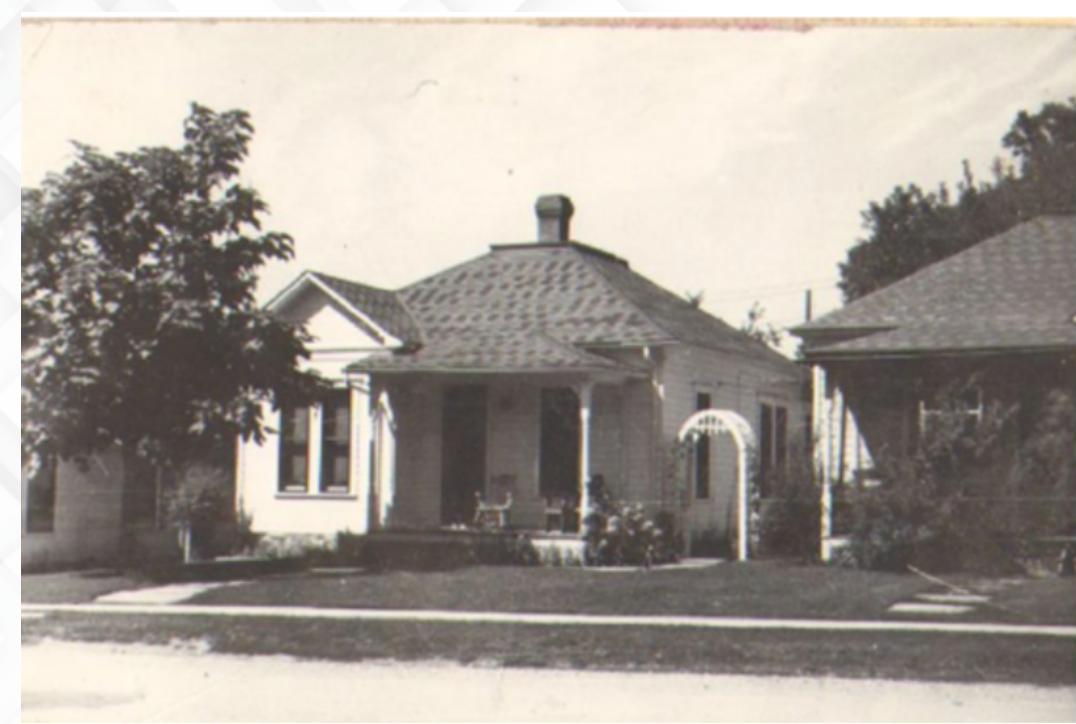
Louisville City Council passed and adopted a resolution Aug. 18 designating the circa-1906 house at 1013 La Farge Avenue as the Giorzelli House historic landmark and approving $136,000 in preservation grants.
Under Resolution No. 77, Series 2026, the council approved a $7,700 residential landmark incentive and a $128,300 Historic Preservation Fund grant. The resolution cites the house’s architectural significance, including features representative of Louisville’s built environment in the 1900s, and its associations with Louisville families and the community’s cultural heritage. The resolution does not include a roll-call tally or individual votes, so the action cannot be described as unanimous.
The grant exhibit allocates up to $63,000 for residential preservation work, $20,000 for structural work, $23,000 for qualifying new construction and $22,300 for extraordinary circumstances. It lists $364,098 in eligible historic-grant expenses within a total estimated project cost of $1,232,800. A proposed nonhistoric addition accounts for about $855,752 of that total.
Proposed work includes foundation repairs, drainage improvements, structural framing, exterior walls, roofing, windows and doors, electrical systems, the front porch, demolition and temporarily moving or lifting the house. The exhibit lists $106,167 for foundation work and $35,000 for moving the house. The $23,000 new-construction category is tied to the proposed addition.
A historic structure assessment found the existing foundation in fair-to-poor condition, citing undermined stone walls, unsupported soil cuts, cracked concrete and potentially inadequate footings. It recommended engineering review and warned that additional defects could emerge during investigative deconstruction.
The grant application and project estimate propose placing the house on a higher foundation with drainage improvements before returning it to essentially its historic location. The application estimates historic work at about $377,048 and lists a $248,749 owner match. Those are application and estimate figures, not a separate executed grant agreement or final project obligation.
The application describes preservation and restoration grants as matching reimbursements generally based on up to half of actual eligible expenses after completion and proof of payment. The city’s Historic Preservation Fund rules generally require a 100% match through cash expenditures or approved in-kind work. Grants may be paid after satisfactory completion, in installments or in full, subject to award conditions. The $7,700 landmark incentive does not require a match.
The rules generally require an incentive application within 36 months of landmark designation and reimbursement requests within 60 months. Based on the Aug. 18 designation date, those general deadlines would be Aug. 18, 2029, and Aug. 18, 2031, respectively, though extensions may be available. No project-specific construction schedule, executed grant agreement, final line-item award or reimbursement schedule was available in the records reviewed.
Grant approval does not itself authorize construction. The application says design review, zoning review, building permits and building-code approvals are required before work begins. The Historic Preservation Commission approved an alteration certificate July 20. The certificate requires the historic chimney to be restored to match a 1948 Boulder County assessor photograph and requires two specified windows to match their historic locations and sizes, the commission’s resolution says.
Landmark status will govern future exterior changes. Additions, garages, fences and other structures will generally require preservation review under Louisville’s alteration-certificate guidance. Substantial demolition or removal of the pre-1955 house could also trigger a separate review process and a delay of up to 180 days, the city’s demolition-review guidance explains.
Earlier city records identified the property as both the “Di Francia House” and the “Giorzelli House.” The adopted resolution gives the landmark the Giorzelli House name.