
Superior develops townwide prairie-dog plan after mapping more than 500 burrows
The replacement for the town’s 2005 plan would address prairie-dog movement, conservation and conflicts near homes, including in Sagamore and along McCaslin Boulevard.
Published at
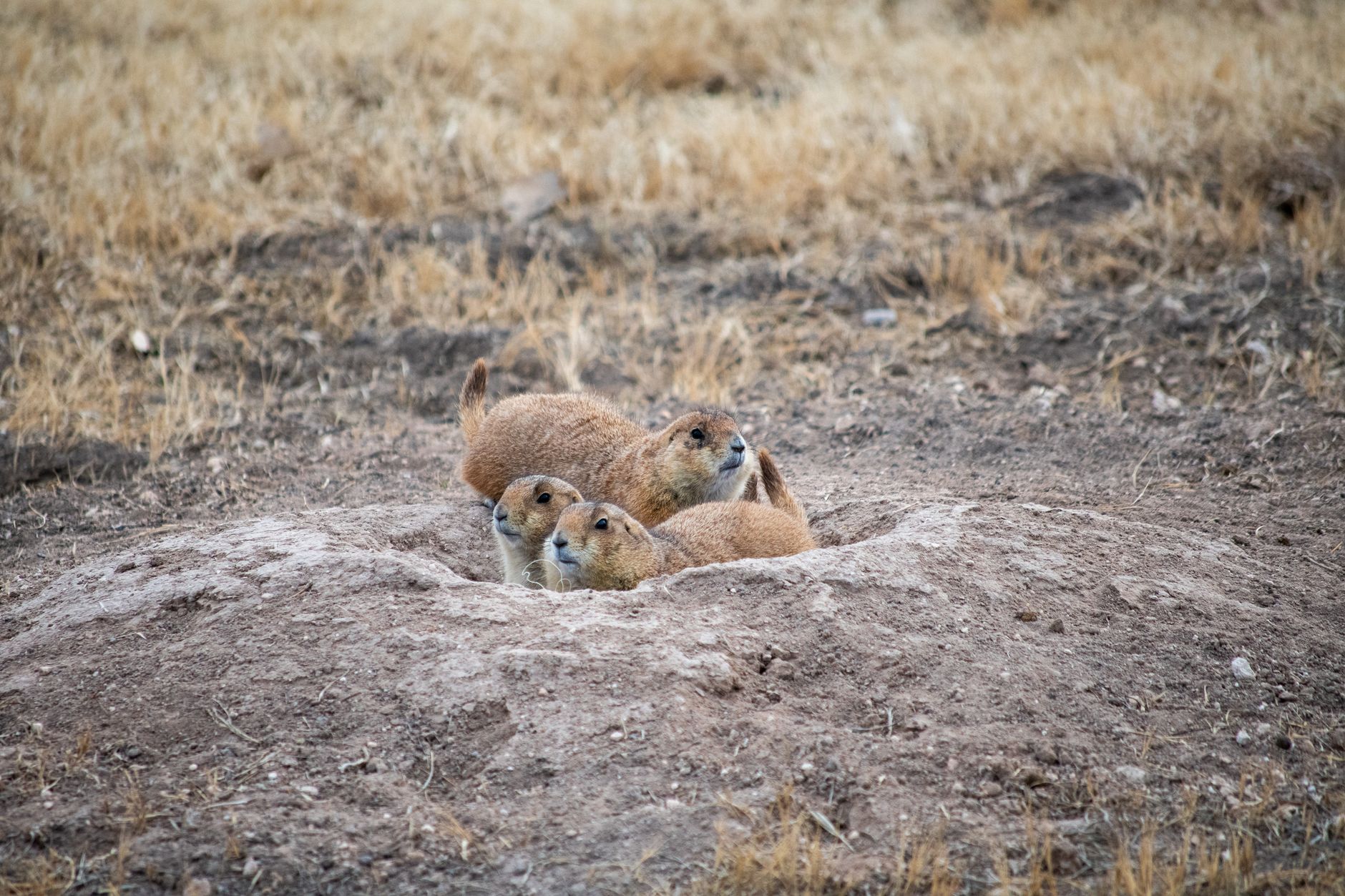
Superior is developing a townwide replacement for its 2005 prairie-dog management plan after a consultant mapped more than 500 burrows, including about 167 along McCaslin Boulevard and burrows near homes.
During the Aug. 12 Open Space Advisory Committee meeting, staff described the old plan as outdated and said the replacement would address prairie-dog movement and expansion throughout Superior. The updated strategy is expected to cover population data, conservation, relocation, barriers, public communication, conflicts and coordination with Boulder County and other agencies, [according to the committee’s meeting minutes](https://superiorco.api.civicclerk.com/v1/Meetings/GetMeetingFileStream(fileId=3659,plainText=false).
The consultant mapped burrows at the Coalton Trailhead, Coal Creek Crossing, along McCaslin, in Town 15 and on or near property behind Sagamore. Staff said roughly 15 burrows were in Town 15, but the activity designations still require review. The precise number inside the trailhead fence also was not recalled during the meeting.
Sagamore was identified as the most immediate residential conflict area, with some prairie dogs within 50 feet of residents’ backyards, staff said. Residents in Sagamore and Coal Creek Crossing have asked whether they could enter open space to address the animals. Staff said homeowners have raised concerns about potential property damage and risks to pets or family members, while also saying the town plans to distinguish documented risks from misconceptions.
The replacement remains preliminary. In the recording of the committee’s discussion, staff described the document as a “first stab at a management plan outline.” Potential topics include conservation areas and dispersal corridors, public and private land, development-related mitigation, conservation incentives, passive relocation, barriers, trapping and relocation, translocation, permitting, enforcement, public health and safety, and education.
No large-scale mitigation action has been scheduled. Staff said the town is evaluating barriers and passive relocation, which could be costly, and discussed possible future trapping and relocation requiring Colorado Parks and Wildlife permitting. Lethal mitigation was described as a last option, not an adopted course of action.
The town has not announced a firm timeline for the replacement plan. Staff said they could begin with background material and bring potential goals to a future OSAC meeting, where members would work toward consensus. The Aug. 12 discussion did not set a date for a completed draft, public review, an OSAC recommendation or Town Council consideration. Dates discussed elsewhere in the meeting for September, October or November concerned a separate open-space and trail master-plan process. The plan’s schedule, the final determination of which mapped burrows are active and any eventual management measures remain unresolved.