
Superior staff project 9.5% annual water-rate increases as treatment costs loom
Proposed increases could raise the water-charge portion of bills by about 57% over five years, while uranium treatment, recycled-water capacity and possible 2027 fees remain unresolved.
Published at
Superior staff are projecting 9.5% annual water-service-charge increases for the next five years, a rate path they say would make the utility self-sufficient around 2030. The projection does not include the potential cost of treating uranium associated with Chimney Hollow and Northern Water facilities.
The increases remain part of budget planning, not an adopted five-year rate schedule. At an Aug. 14 Finance Committee meeting, staff said the next increase would take effect in March 2027 and that a larger immediate increase was unnecessary because the utility is financially stable. Staff also said Superior’s rates would remain roughly 15% to 30% below those in surrounding communities after the next increase, depending on the season.
A 9.5% increase would apply to the water-service-charge portion of a utility bill, not necessarily the full bill, which can include sewer, stormwater and other charges. Five consecutive increases at that rate would raise the water-service-charge portion by about 57%. For example, a $100 water-service charge would become $109.50 after one increase and about $157.10 after five. Those are illustrative calculations, not Superior bill estimates; the town has not provided a typical residential bill or a current rate table in the records reviewed.
The Water Fund had collected about $2.87 million and spent about $3.38 million through June. Revenue was up 2.8% and expenses were up 9.5% from the same period in 2025. The figures include system-development fees, grants, interest, capital and other items, so they do not represent a simple comparison of water-rate revenue with operating costs. Water charges for services rose 17.4%, to about $1.57 million, after the 9.5% increase.
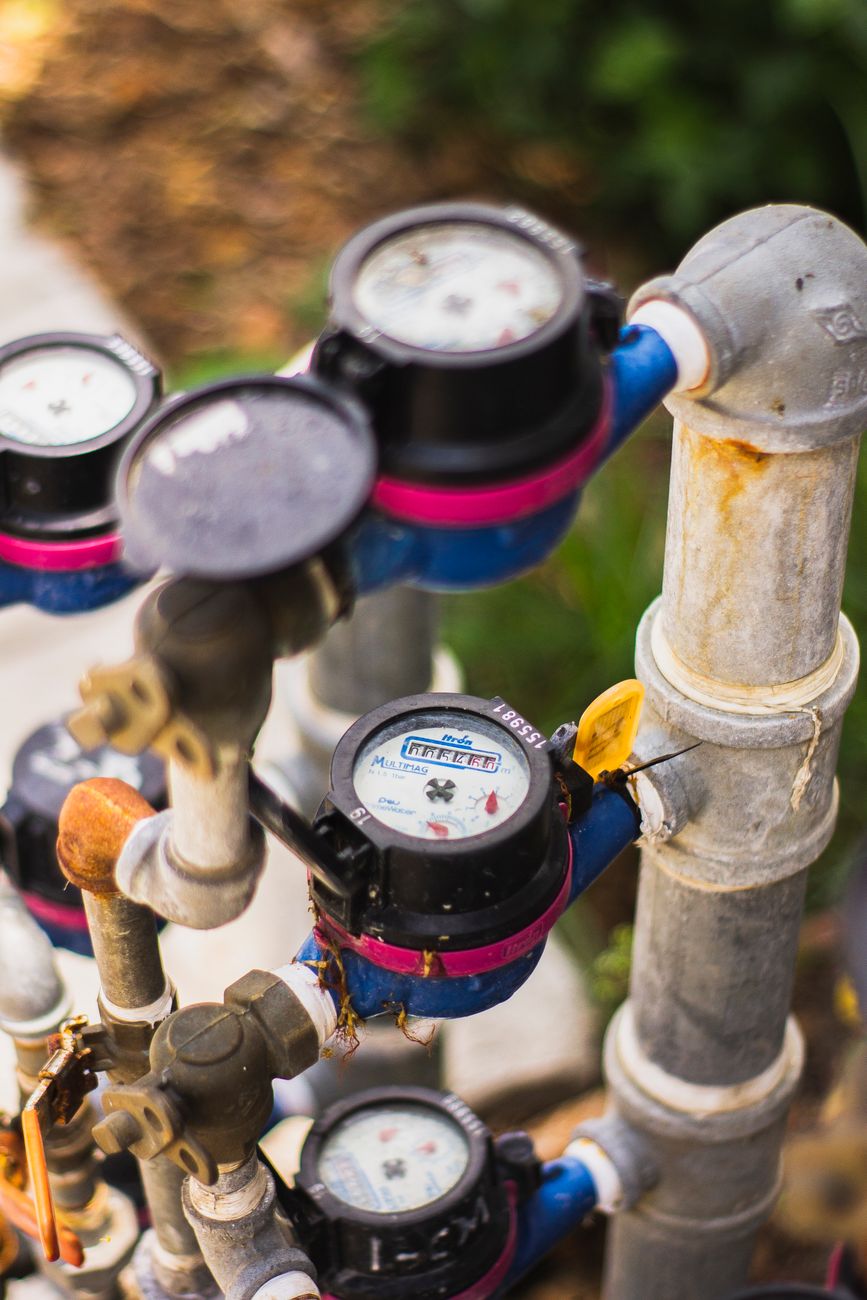
Infrastructure costs add uncertainty to the longer-term plan. The town’s 2026 Water Fund utility-project budget totals about $6.79 million, including $1 million for reuse-system work, $2.25 million for smart meters and $1.63 million for water-treatment-plant sludge-drying beds. The smart-meter project was expected to receive 50% grant funding, but the town did not receive the grant and plans to budget for the meters in future years.
Staff told the committee they are evaluating uranium-treatment options, including changing filter media, but do not yet know the cost. Disposal could be expensive because relatively few facilities can handle the resulting material. Staff said any substantial Northern Water-related cost would be shared among participating customers, potentially creating an expense beyond the rate path used in the self-sufficiency projection.
A separate recycled-water tank is tentatively included in the town’s long-range budget for 2032 at about $5 million. Staff said it would primarily serve parks and similar uses and could take 20 to 30 years to repay through avoided costs. No final design, appropriation or construction approval has been made.
The town’s Finance Committee packet schedules a public hearing and proposed adoption of the 2027-31 budgets for Oct. 12, 2026. The packet includes proposed March 2027 increases of 9.5% for water, 7.5% for sewer and 5% for stormwater. Committee discussions also identified possible changes including a local sales-tax vendor fee estimated to generate more than $400,000 annually, a lodging-fee increase from $4 to $5 per night, stormwater-fee changes in Original Town, a yard-waste charge for Rock Creek homeowners and a utility credit-card processing fee.
None of those additional changes had been adopted as of Aug. 15. The packet does not establish a final amount for uranium work, a funding package for the recycled-water tank or a customer-specific impact from the water-rate plan. The town’s utility-billing page links to a current rates-and-fees document, but its contents and direct file URL were not available in the records reviewed.