
Longmont council approves First & Main plan, authorizes up to $38 million
Longmont authorized up to $38 million in certificates of participation for a roughly $70 million First & Main project, with a 5.75% rate cap and preliminary repayment and construction schedules.
Published at
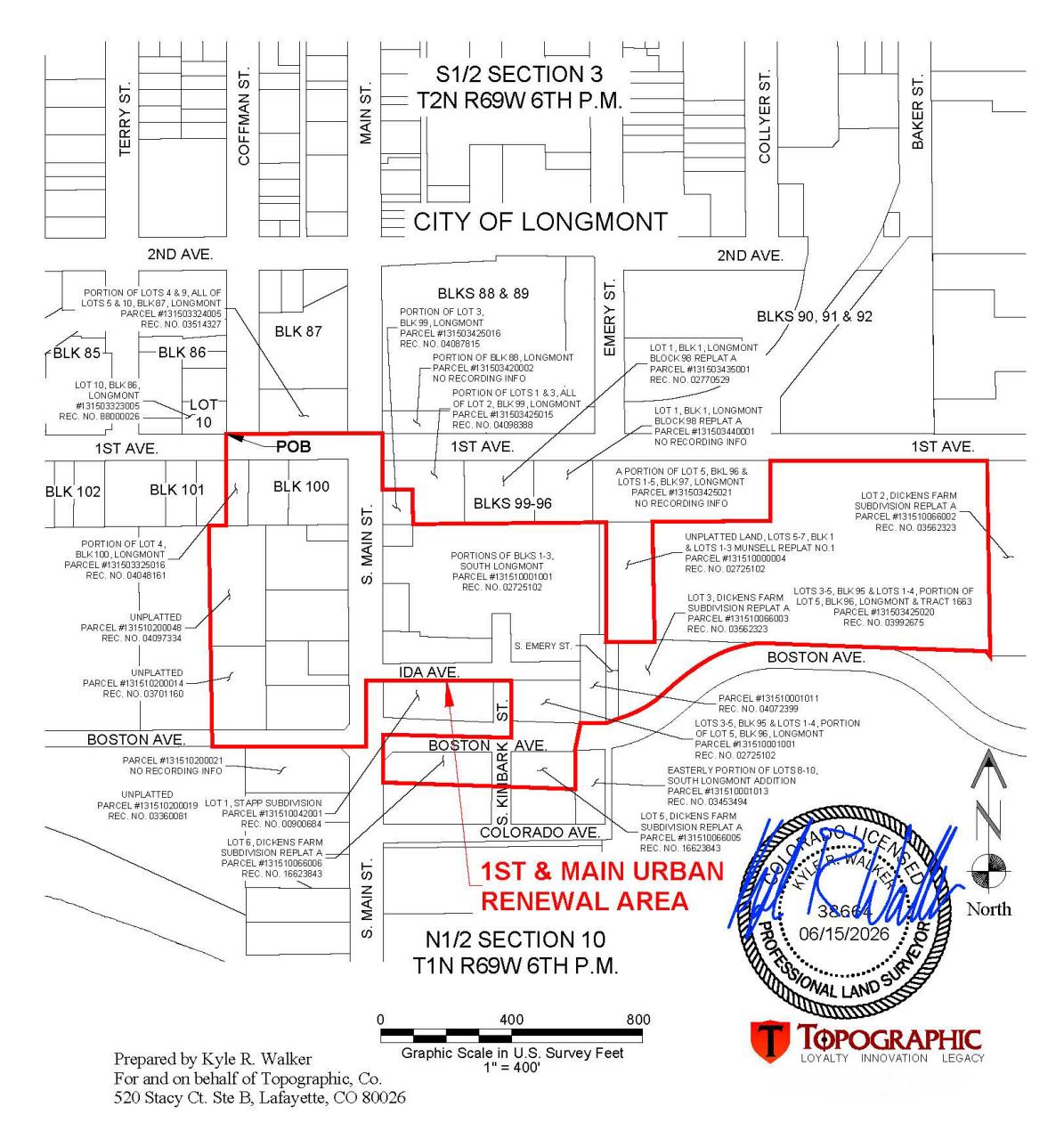
Longmont City Council unanimously approved the First & Main urban-renewal plan Aug. 25 and authorized up to $38 million in certificates of participation for a project estimated to cost roughly $70 million.
The authorization is a ceiling, not a commitment to borrow the full amount. It allows up to $38 million in aggregate principal, $23 million in maximum annual base rentals and $74 million in maximum total base rentals. It also sets a maximum net effective interest rate of 5.75%, the council packet shows.
The city manager may finance all, part or none of the project. Final borrowing terms, including the amount issued, interest rate, series structure and maturity, would be set in later sale documents. Staff said the current financing need was about $34 million, with the higher authorization providing flexibility for project costs or reserves.
The roughly $70 million estimate covers the transit center, parking garage, Kaufman Street extension and related infrastructure. The certificates are authorized primarily for the garage, eligible associated improvements and issuance costs. Other identified funding includes $16.4 million from RTD, more than $9 million the city says it has spent acquiring land, and a $4 million Transit Oriented Communities grant.
Repayment is expected to come from tax-increment revenue, parking fees and city funds. The urban-renewal plan directs tax increment generated in the plan area to an authority special fund for project debt and related costs for up to 25 years. Taxes would return to the affected public bodies after the relevant debt is paid.
Staff characterized the lease-financing structure as lasting about 30 years, while the authorization allows flexibility in certificate terms. It permits prepayment without penalty no later than Dec. 1, 2036. Staff projected annual certificate payments of about $2.21 million from 2029 through 2056, but that is not a final debt-service schedule and is separate from the $23 million maximum annual authorization.
The Longmont Urban Renewal Authority approved agreements Aug. 18 with Boulder County, Northern Water and St. Vrain Valley School District to help finance the project. Those agreements projected slightly more than $400,000 annually, or about $10.4 million over 25 years, from the county’s participating tax increment. The school district agreement covers 27 mills and caps its contribution at $16.6 million. The projections depend on future development and property values and do not guarantee participation at the maximum levels. The available packet copy does not show that the county agreement has been fully executed; its effective-date and signature fields are blank.
The project includes a bus station, parking structure and street and utility work. Longmont’s project description calls for about 225 to 300 apartments, ground-floor commercial space and roughly 600 parking spaces. The city says the facilities are intended to allow RTD to begin bus rapid transit service to Boulder in 2027, but the available records do not specify the route, frequency or station opening date.
Construction timing remains preliminary. Staff said site clearing was expected to begin by about Sept. 15, with a groundbreaking celebration planned for late September or early October and vertical construction expected to begin around November. Kaufman Street work was expected to go to bid in September, with construction beginning in fall 2026 and continuing into 2027. A wastewater-line project was already under construction under a separate contract, staff told the council. The records do not establish a binding completion deadline or final private-investment requirement.