
Longmont weighs trash-rate changes to subsidize curbside composting
Longmont is considering three 2027-28 rate structures that would lower compost fees while raising charges for larger trash carts, as the city seeks to increase diversion from landfills.
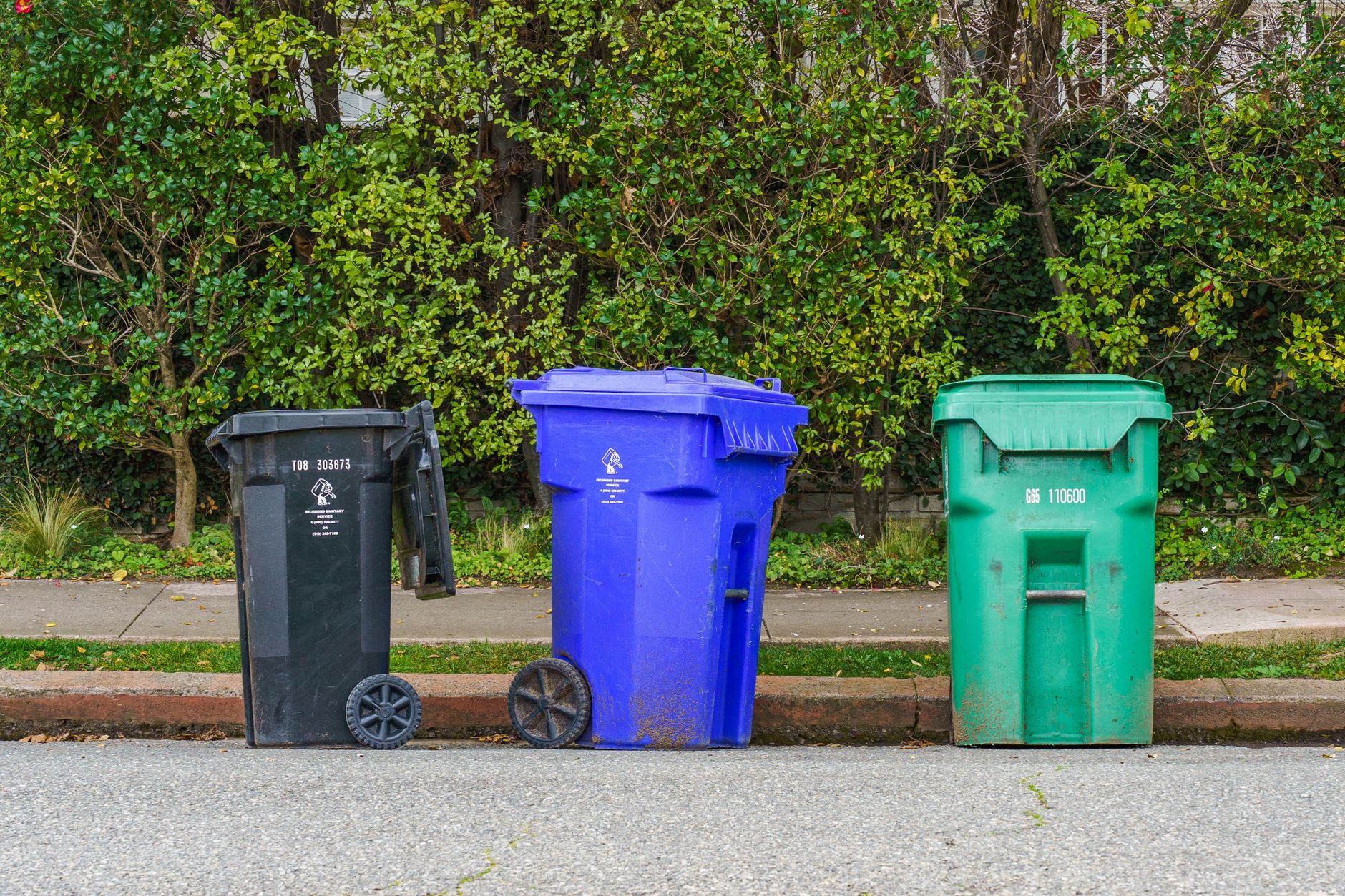
Longmont is considering three sanitation-rate options for 2027 and 2028 that would use higher trash-cart charges to lower curbside composting fees. The city is seeking more participation as it works toward diverting 75% of its waste from landfills by 2030.
The options would subsidize composting by 20%, 40% or 60%. City estimates project compost participation would increase by 5%, 10% or 15%, respectively. The Longmont Sustainability Advisory Board packet describes those figures as projections.
The board is scheduled to discuss the options Sept. 16 and provide feedback on affordability, equity, participation and the city’s waste-diversion and climate goals. It is not being asked to adopt a rate. City Council directed staff to develop the options, but the packet does not include a final staff recommendation or council decision.
What the options would cost
The proposed monthly charges for 2028 are:
| Compost subsidy | Compost cart, 48/96 gallons | Trash cart, 24/48/96 gallons |
|---|---|---|
| 20% | $7.93 / $11.90 | $7.84 / $16.75 / $35.78 |
| 40% | $5.95 / $8.92 | $7.45 / $16.86 / $37.79 |
| 60% | $3.97 / $5.95 | $7.09 / $17.84 / $39.58 |
For a household with a 48-gallon trash cart and a 48-gallon compost cart, the combined monthly charge would be $24.68 under the 20% option, $22.81 under the 40% option and $21.81 under the 60% option. Those totals are arithmetic sums of the proposed cart charges, not a city-defined typical household.
The 2027 proposals would also widen the price difference between smaller and larger trash carts. Under the 60% option, monthly trash-cart charges would be $6.58 for 24 gallons, $16.45 for 48 gallons and $36.19 for 96 gallons. Compost carts would cost $3.30 or $4.95.
Diversion goal and equity review
Longmont reported a citywide landfill-diversion rate of 39%. The city’s Zero Waste Resolution sets targets of 75% diversion by 2030 and 95% by 2050.
The proposals are intended to encourage composting and use of smaller trash carts. An initial city equity analysis found no correlation between neighborhood median household income and use of large trash carts or composting. The city planned additional analysis of race, household size and single-family lot size.
The proposals will next go to the Sustainability Advisory Board, followed by consideration by City Council. The packet does not specify when the council will receive a final recommendation or vote on an ordinance.