
Longmont board to consider updated electrical code, including EV charging rules
The Master Board of Appeals will consider recommending the 2026 code on Oct. 7. City Council would still need to approve an ordinance before the change could take effect.
Longmont’s Master Board of Appeals will consider Oct. 7 whether to recommend replacing the city’s 2023 electrical code with the 2026 National Electrical Code. The revisions address electric-vehicle charging, service-disconnect labels, emergency power systems and pool installations.
Staff recommends adopting the 2026 edition with local amendments. The board may recommend adoption, suggest changes or postpone its recommendation. The meeting packet describes the highlighted technical changes as revisions to the national code, not Longmont-specific amendments.
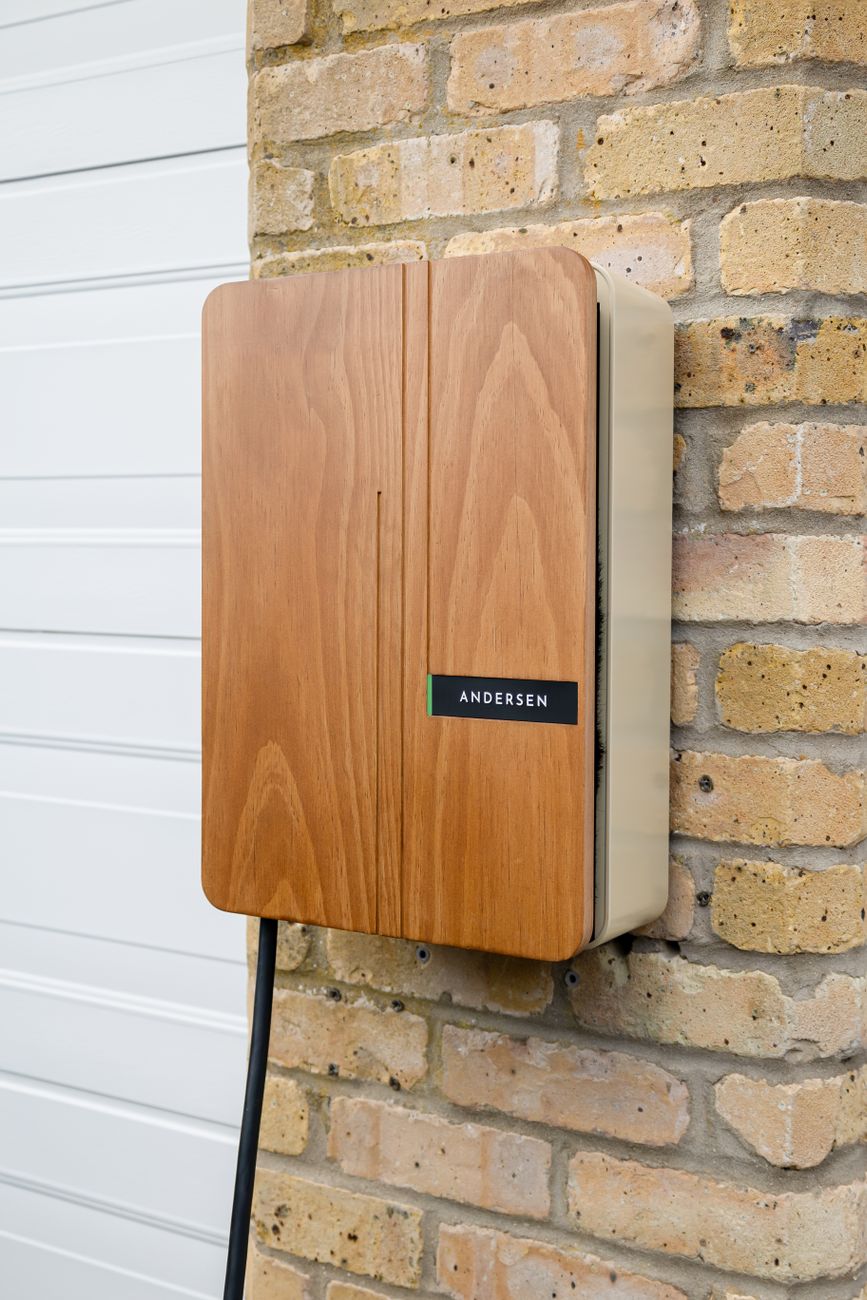
Under one optional method for calculating a home’s electrical load, electric-vehicle charging loads would be counted separately at 100%. Charging equipment would also need labels showing key electrical characteristics and short-circuit current ratings.
The 2026 code would require service disconnects to be marked. In one- and two-family homes, the enclosure would also need an “EMERGENCY DISCONNECT” label in white lettering on a red background.
Other revisions address protection for emergency-power feeder wiring and require listed surge-protection devices on specified equipment in legally required standby systems. Pool-related changes update bonding requirements and expand details for equipotential planes near bodies of water.
The draft ordinance would update Longmont’s code reference from the 2023 to the 2026 edition and includes local provisions on ground-fault and arc-fault protection, underground service-entrance conductors and outdoor receptacle placement. The packet does not make clear which of those local provisions are new or changed in this proposal.
If the board recommends the change, City Council would still need to approve an ordinance. Under the city’s Council meeting guidance, Council first votes on whether to publish the ordinance and schedule a public hearing, then holds the hearing and votes on final approval at a second reading.
The proposal materials do not specify an effective date. Under the city’s general ordinance rule, ordinances take effect 10 days after publication unless the ordinance specifies otherwise.