
Erie advisory board begins review of legal protections for town open space bought with acquisition tax
Erie’s Open Space and Trails Advisory Board has been asked to examine whether town-owned land acquired with the town’s Trails and Natural Areas tax has the protections voters may expect, including whether some parcels should be rezoned to reserved open space.
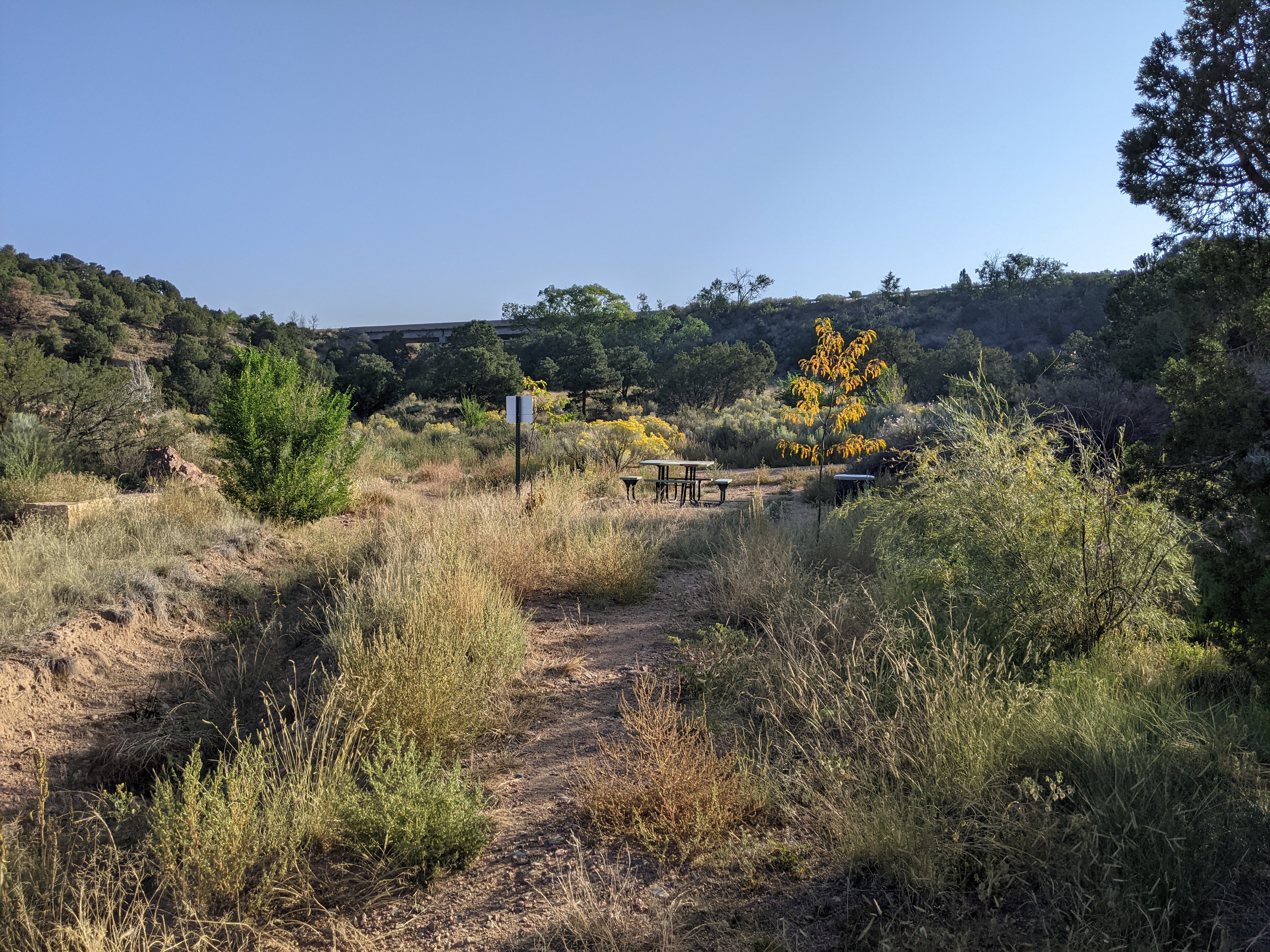
Erie’s Open Space and Trails Advisory Board has begun reviewing whether town-owned open space acquired with the town’s voter-approved trails and natural areas tax has the legal protections residents may expect.
During the board’s June 8 meeting, board members, staff and a council liaison said in public discussion that Erie’s current open-space inventory is effectively 0% designated reserved open space and 100% agricultural open space. They also said during that discussion the board had been asked to examine what that means for town-owned land acquired with Trails and Natural Areas funding.
The issue matters because, staff and board members said at the meeting, reserved open-space zoning may provide a stronger barrier against a future sale or rezoning than the current designation does. But the public record reviewed for this story does not establish a parcel-by-parcel answer to a central question: which town-owned open-space properties were bought with that tax revenue.
Staff and council members said during the June 8 meeting that OSTAB has been asked to review the charter, the zoning code and the wording of prior Trails and Natural Areas ballot language, then recommend what land should be rezoned and what level of protection should apply.
Erie’s current property-tax levy schedule lists a 4-mill tax for “Trails and Natural Areas Acquisition.” In a 2022 update about renewing the tax, the town said the TNACC fund “can only be used to fund the purchase of natural areas and open space, creates and connects trails, preserves wildlife habitats, protects natural areas around creeks, and conserves scenic landscapes.”
A 2023 Home Rule Charter Commission presentation posted by the town said the town must maintain a fund for buying and maintaining open space and that “open space cannot be sold or rezoned without voter approval.” But that source is a presentation, not the enacted charter text itself, so the exact legal trigger remains unclear from the public documents reviewed for this story.
Based on those records, stronger zoning could matter in any future attempt to sell or rezone open-space land. But the available documents did not establish whether voter approval would be required only for a sale or rezoning, or also for a broader change in use.
The town’s open-space program page lists properties Erie maintains as open space, including Coal Creek, Erie Highlands, Flatiron Meadows, King/Johnson, Linear, Longs Peak, Northridge, Reliance and Wise Woods open spaces, along with agricultural open-space properties such as Allan Farms, Schofield Farm/Strieby Open Space and Wise Homestead Open Space. Those pages do not identify which parcels, if any, were acquired specifically with TNAF or TNACC money.
Some official property pages do provide acquisition history for individual sites. King/Johnson Open Space’s page says King Open Space was purchased by the Kenneth Kendal King Foundation and dedicated to the town in 2014, while Johnson Open Space was acquired through annexation in 1994. A town land-management summary for Reliance Open Space says that property was also acquired through annexation in 1994. Those records narrow which parcels may fall outside the tax-funded acquisition question, but they still do not produce a complete public list of TNAF-funded acquisitions.
Staff told the advisory board during the June 8 meeting that a full review of open-space properties, ballot language and code provisions would not realistically begin until 2027.
The same meeting included an update on the Page property. Staff said during that discussion the town is studying it as a full open-space acquisition, including environmental conditions, trail and parking potential, reclamation needs and possible future uses for the house and land. Staff also said at that meeting more detailed review is being pushed into 2027 and 2028.
For now, the near-term question is whether Town Council wants to accelerate the work instead of waiting for that broader timeline. As of the June 8 discussion, the review was framed as a new assignment for OSTAB, not as a completed legal determination or a council-directed rezoning package.
What is clear is narrower but still significant: Erie officials have publicly acknowledged that the town needs to determine whether open space bought with a voter-approved acquisition tax has the protections voters expected, which parcels are affected, and whether rezoning some land to reserved open space would better preserve a future public vote before any sale or rezoning.