
Superior council discusses phased response to 58 security deficiencies
An assessment found 13 high-risk gaps across seven town facilities, but the Aug. 10 discussion did not authorize security spending.
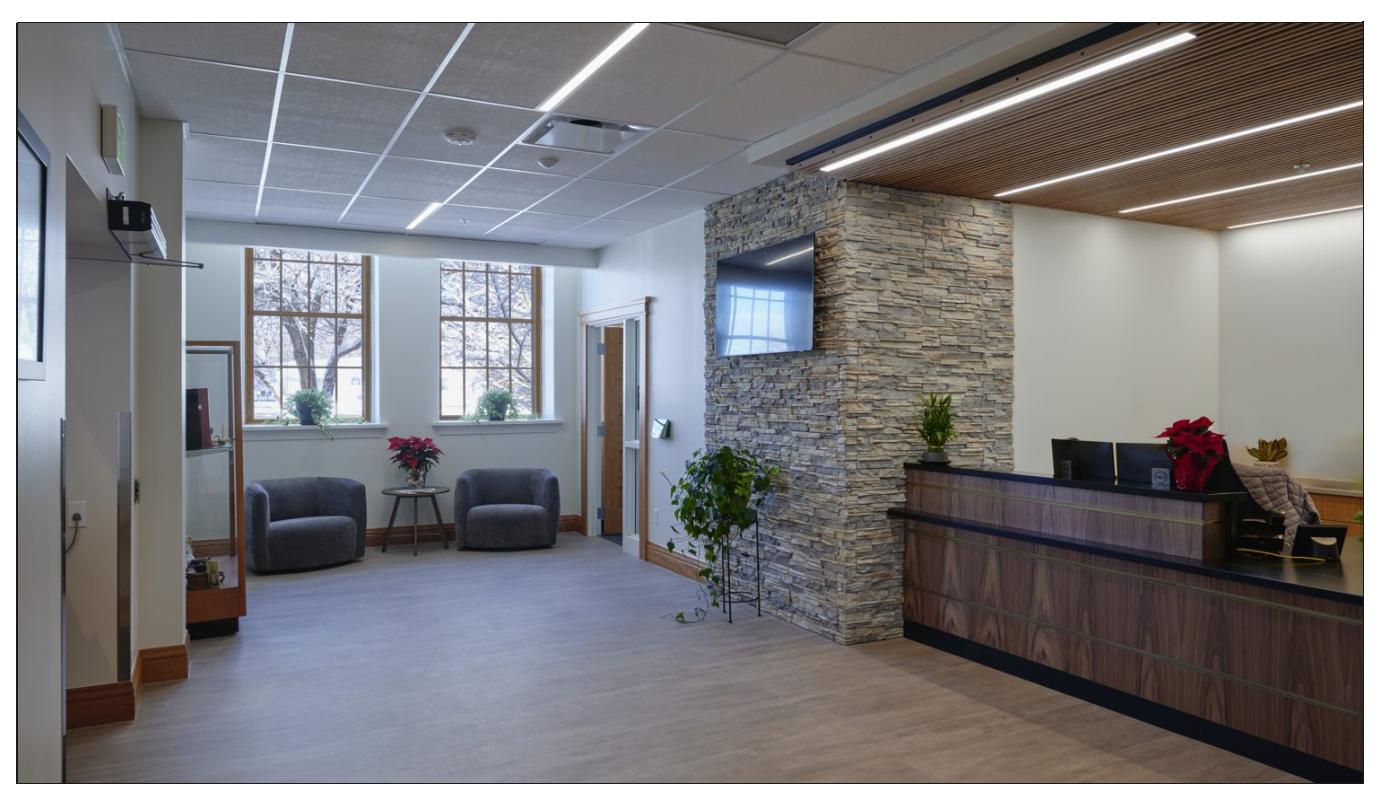
Superior Town Council members discussed a phased response to 58 security deficiencies across seven town-operated facilities, including staff training and emergency drills. The Aug. 10 discussion did not authorize spending on security work.
The Wold Architects & Engineers assessment presented to the council identified 13 high-risk, 38 medium-risk and seven low-risk findings. It ranked the facilities, from highest to lowest need, as Town Hall, Suite 200, the Civic Center, the Community Center, Suite 220, the Grasso Bungalow and the Firehouse. Town Hall had five high-risk findings; Suite 200 had three; the Civic Center and Community Center had two each; and Suite 220 had one. The bungalow and Firehouse had none.
At Town Hall, high-risk findings included views into the Council Chambers, an unsecured glass lobby door, a rear chamber exit leading to a fenced and locked area without a route to a public way, an uncontrolled door behind the judge’s position and no duress button at the council dais. Other high-risk findings involved public-facing staff who lacked a rapid way to summon help or leave safely. Suite 200 lacks staff-public separation, has one entry and exit, and has no reception duress button. Suite 220’s reception station also lacks a duress button. The Civic Center has an isolated reception desk without duress capability and offices opening directly into public areas. The Community Center lacks a reception duress button and a direct, safe secondary exit for reception staff.
The assessment does not cite a completed attack, injury or specific security incident as the reason for the rankings. Wold said it used staff interviews, building walkthroughs and a risk survey to evaluate potential threats and preparedness gaps. Staff ranked cyberattack, fire and an active shooter among the highest perceived threats, although the report describes the survey as subjective.
Council members supported addressing lower-cost and operational measures while larger construction and technology decisions are developed. Those measures include staff training, emergency exercises, Town Hall life-safety work and duress capability at public-facing workstations. Town staff said training was being developed with police and that a townwide emergency test was being planned. Members also discussed correcting the rear Council Chambers egress condition and installing a duress button at the dais while the town considers future Town Hall remodeling or lease decisions, according to the meeting recording.
The proposed implementation remains phased. Near-term work over zero to 12 months would install duress capability, address immediate Town Hall life-safety concerns and fix recurring lower-cost deficiencies; that phase is estimated at about $20,300. Work over one to three years would focus on reception security, staff-public separation, egress and access-control improvements at Suite 200, the Civic Center and the Community Center. Longer-term work could consolidate access-control systems, modernize surveillance and include larger reconstruction or ballistic-rated improvements.