
Boulder police oversight panel seeks answers on complaint process, 29-case docket
Panel members questioned whether two misconduct cases are stalled before review and raised concerns about public explanations of a newer complaint track.
Boulder’s Police Oversight Panel is seeking answers about how the police department’s complaint policy is being implemented after members raised concerns that two misconduct cases classified by the independent monitor have not advanced to panel review.
The panel voted Aug. 10 to send questions to the city manager’s office about Boulder Police Department General Order 120 and authorized co-chairs Bill De La Cruz and Lizzie Friend to request a meeting with city officials. The questions cover the order’s adoption, legal review, public notice and the handling of complaints through its performance-and-conduct track, the meeting recording shows.
The panel also questioned whether the order is consistent with the city ordinance defining the monitor’s and panel’s roles. De La Cruz said members were concerned the policy could limit that oversight. The panel did not launch a separate evaluation of the policy’s pilot implementation; the co-chairs said they would revisit that proposal after receiving answers from the city.
Questions about complaint flow
Friend said two cases classified by the monitor as misconduct were not moving forward because Boulder police appeared not to be taking the next steps needed to continue the process. She said the cases appeared to be “stuck in limbo.” The monitor confirmed they came through the misconduct track, not the performance-and-conduct track.
Separately, Friend said the performance-and-conduct track diverts some complaints before they reach the monitor or panel. That raised questions about the level of oversight those cases receive and whether the public is clearly told how its complaint will be handled.
The city’s public explanation says the monitor categorizes allegations before they are assigned for investigation. Serious-misconduct allegations generally go to the Professional Standards Unit, while lower-level misconduct generally receives a supervisor investigation. Afterward, the chain of command recommends a disposition and discipline, and the case may be reviewed by the panel, according to the city’s complaint guidance.
The city’s newer police-oversight explanation says the panel reviews fully investigated complaints. Cases that do not advance to an administrative investigation are not eligible for full panel review, though the panel receives summaries and the monitor continues reviewing every misconduct allegation. The explanation does not account for why the two cases discussed Aug. 10 had not advanced.
Panel members also questioned whether the complaint-flow chart on the panel’s website matches General Order 120’s newer process. They said the public should be told promptly about the performance-and-conduct track rather than rely on an outdated description.
29 cases in docket
The monitor reported eight cases classified in July: four as misconduct, two as serious misconduct, one as community feedback and one as an unspecified incident. Boulder police closed three cases during the month. The panel reviewed no case files in July.
As of Aug. 5, the docket contained 29 cases: 12 classified cases, two awaiting the monitor’s classification, 13 in the Professional Standards Unit’s preliminary-investigation stage and two on the performance-and-conduct track.
The monitor also reported four unresolved cases from 2025. One, identified as SM2025-003, had recently reached the monitor, and her recommendation had been sent to the department. The meeting record did not establish the precise status of the other three or when all four would be resolved.
The monitor said classification disagreements with the department have generally been resolved through discussions with the Professional Standards Unit. She said her classification has stood unless those discussions persuaded her to change it. The panel did not vote on individual cases Aug. 10. The meeting ended after a closed session, and no claims from that session are included here.
Panel plans Flock review
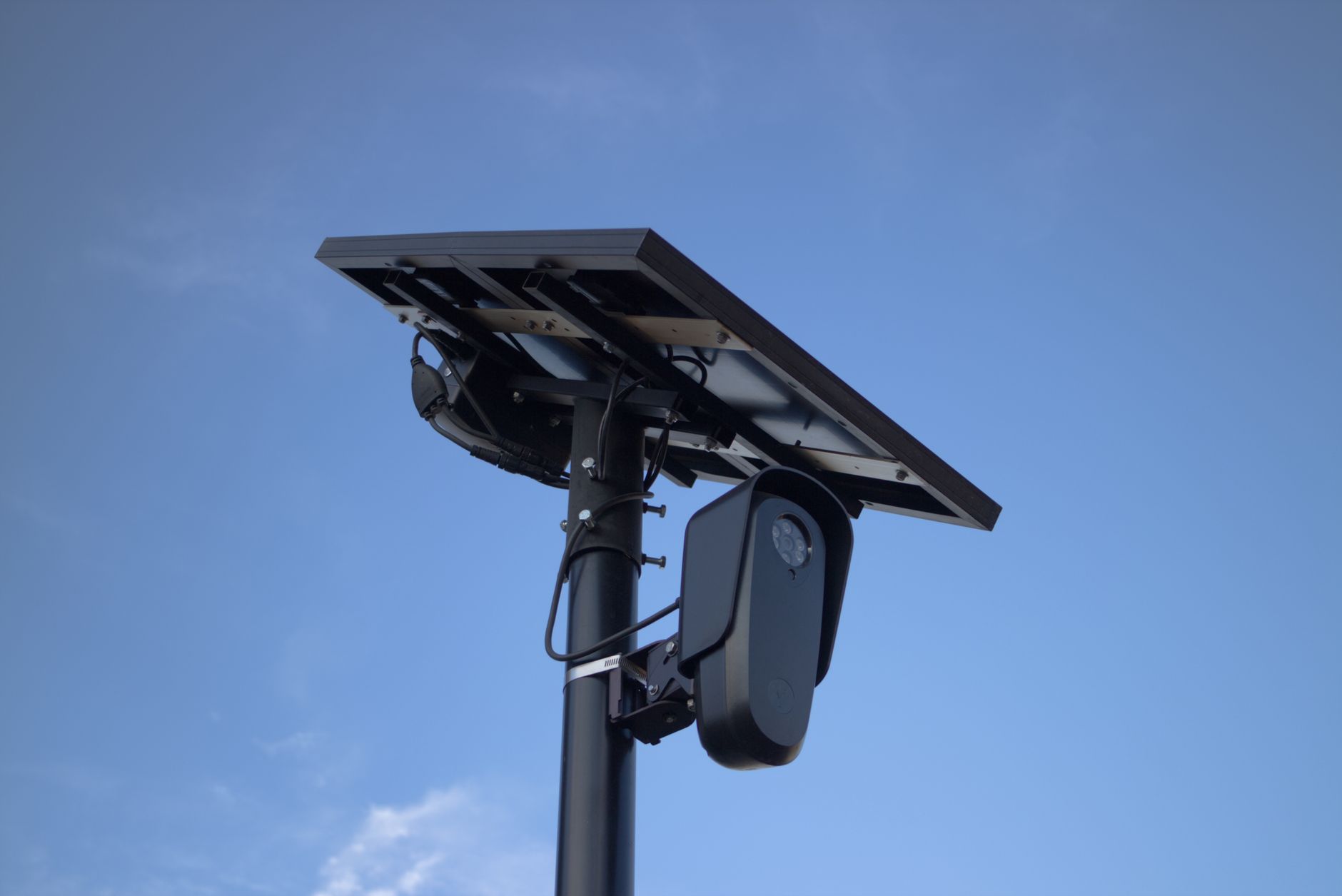
The panel is also developing an inquiry into Boulder’s use of Flock automated license-plate readers. Members said Flock’s public transparency portal lacks sufficient detail and said they want more information about the police department’s use of the system, including additional data and metrics.
The inquiry may include discussions with police, community questions and public engagement. Commenters asked the panel to examine Flock’s use in human-trafficking investigations and determine when the contract is up for renewal and whether renewal would require City Council approval. The panel had no answers at the meeting.
The city says Flock data is retained for 30 days and automatically deleted, searches require a law-enforcement justification and external data sharing requires supervisory approval, according to the city’s Flock information page. The city also says it disabled Flock’s national-lookup feature in June 2025 and limits sharing to Colorado law-enforcement agencies.
The panel has not set a format or date for the Flock inquiry and has not received public answers about the contract’s renewal terms, the specific retention and deletion rules, or the system’s use in human-trafficking investigations.