
Longmont council seeks airport noise-monitoring options as complaint data gap persists
Longmont officials will develop options for monitoring and reporting noise at Vance Brand Municipal Airport by the end of September, but the city’s review does not disclose complaint totals or identify affected neighborhoods.
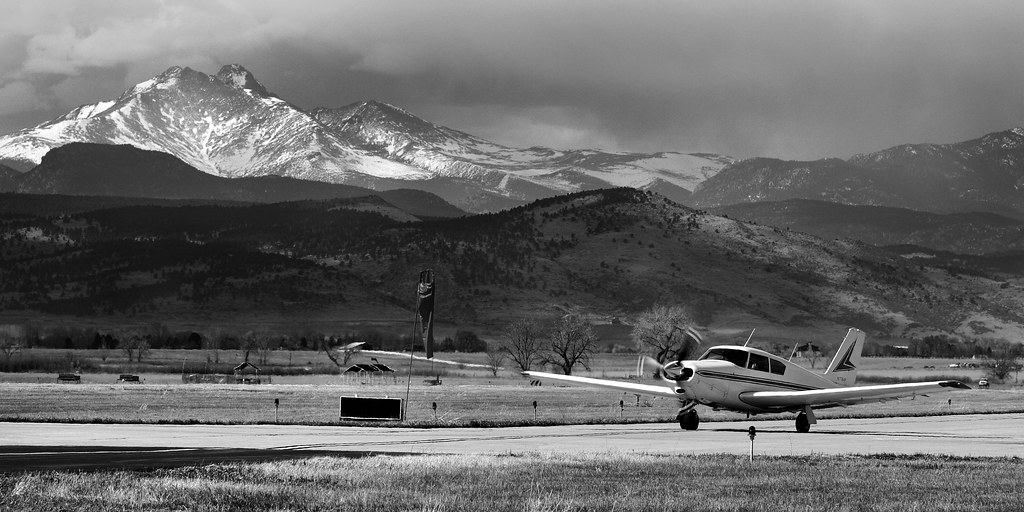
Longmont City Council directed staff to return by the end of September with options for improving noise monitoring and reporting at Vance Brand Municipal Airport after a review identified repetitive touch-and-go flight training as the leading source of complaints.
The review does not disclose the total number of complaints, unique complainants, yearly complaint trends or the neighborhoods affected. It also does not provide total airport operations or touch-and-go flights behind the reported percentages.
The findings and council action appear in the [City Council’s Aug. 11 meeting packet](<https://pgwest.blob.core.windows.net/longmont/Meetings/3616/Packet_20260806215754281.pdf?sv=2017-04-17&sr=b&sig=lJkyAGwYeFKRWjARluD%2FHb5vRLlIiTwwdCD5YoFfDWg%3D&st=2026-08-11T11%3A32%3A46Z&se=2026-08-13T11%3A32%3A46Z&sp=r&rsct=application%2Fpdf&rscd=attachment%3B%20filename%3D%22Meetings3616Packet_20260806215754281.pdf%22), which includes the approved minutes from the council’s July 28 meeting.
The review reported that airport operations increased 8% from 2024 to 2025. It also found that 88% of touch-and-go activity occurred outside the airport’s discouraged 8 p.m. to 8 a.m. quiet period and that preferential Runway 29 was used about 65% of the time. Those figures describe airport activity and voluntary-procedure compliance, not the number of residents affected.
The review said the existing complaint system collects limited information. It recommended recording the date and time of an event, the complainant’s address, the nature of the complaint, the type of operation and an aircraft description. The council’s 7-0 direction calls for options covering flight-track monitoring, conformance data, complaint tracking, measurable success targets and regular public reporting, using 2025 as the baseline.
The direction also calls for a technical advisory group, consultation with the Federal Aviation Administration and operator-specific analysis for flight schools and flying clubs.
In a separate 6-1 vote, the council directed staff to update airport communications and third-party flight-information platforms with the city’s guidance on quiet hours, touch-and-go flights and saturated patterns. Council Member Diane Crist voted against that motion, according to the packet.
The city’s 2026 Recommendations and Opportunities report recommends structuring future complaint data so staff can identify trends, investigate individual events and analyze community impacts. It also recommends monthly or quarterly public updates on operations, voluntary noise-abatement compliance, complaint activity, program implementation and outreach.
The report discusses using flight-tracking and operations-analytics tools, including ADS-B and Airport Monitoring Systems data, to compare aircraft activity with voluntary procedures. It cautions that public flight-tracking sites can be incomplete or misleading, including because they may show pressure altitude rather than height above ground.
For now, the airport’s procedures remain voluntary. Longmont’s airport guidance says pilots are asked to follow them when weather, aircraft capabilities, traffic, safety and air-traffic-control instructions allow. The airport is officially open 24 hours a day, seven days a week in most weather conditions.
Any move to mandatory limits would also raise federal airport-access and noise-review questions. The Federal Aviation Administration’s airport sponsor assurances require public-use airports to remain available on reasonable terms and without unjust discrimination among aeronautical activities. The FAA’s Part 161 review process applies to certain airport noise and access restrictions. The city’s review does not determine whether a future touch-and-go limit, curfew or saturated-pattern threshold would require that process or another form of FAA approval.
The next major step is due by the end of September. Until then, the record establishes the city’s response and operational baselines, but not how many complaints were filed or which Longmont neighborhoods experienced them.