
Longmont staff proposes phased airport noise plan with support costs up to $150,000 a year
Staff is asking City Council to endorse voluntary noise measures and seek competitive quotes for the first phase; annual support estimates are preliminary.
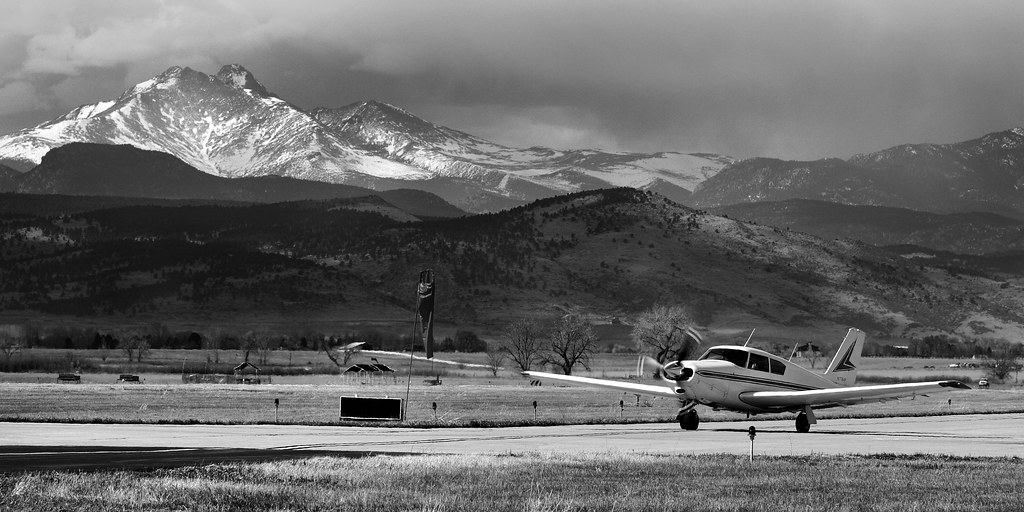
Longmont staff is asking City Council to endorse a phased plan for putting voluntary noise-abatement recommendations at Vance Brand Municipal Airport into practice. Staff estimates annual support could cost $120,000 to $150,000 for a dedicated position, or $75,000 to $150,000 for contracted or consultant support.
The proposal is scheduled for discussion at the Council’s Sept. 29 study session. The staff report recommends that Council endorse the three-phase approach, direct staff to obtain scopes and competitive quotes for the first phase, and bring any staffing or funding requests through the budget process. The Council has not yet acted on the recommendation.
The first phase, planned for late 2026 into early 2027, would price flight analytics and monitoring tools, set performance targets using 2025 data, improve the process for receiving and acknowledging noise complaints, separate pilot- and community-facing website information, and update the airport’s noise-abatement plan.
Staff says 10 recommendations are in progress and none are complete. Later phases would include forming a Technical Advisory Group, public reporting and outreach, identifying visual landmarks and creating community working groups.
The estimates are planning figures, not bids. The contracted and consultant-support options overlap and should not be added together; final costs would depend on competitive procurement. Staff also says existing airport capacity is limited: the airport manager handles grants, leases, capital projects and daily operations, and a complaint-acknowledgment process alone could approach a full-time position.
The city can pursue voluntary measures such as pilot guidance and outreach, but it does not control the airport’s traffic pattern. Formal changes to published routes or procedures would require Federal Aviation Administration involvement, which staff says is unlikely for the non-towered general-aviation airport.