
Boulder plans 2027 update to traffic-signal practices, prioritizing high-risk locations
Staff aim to bring a draft to the Transportation Advisory Board in January and begin priority work during the year, including a review of left-turn and pedestrian signals.
Published at
Boulder plans to update its citywide traffic-signal practices in 2027, starting with high-risk locations. Staff aim to bring a draft to the Transportation Advisory Board in January and begin implementing priority actions during the year.
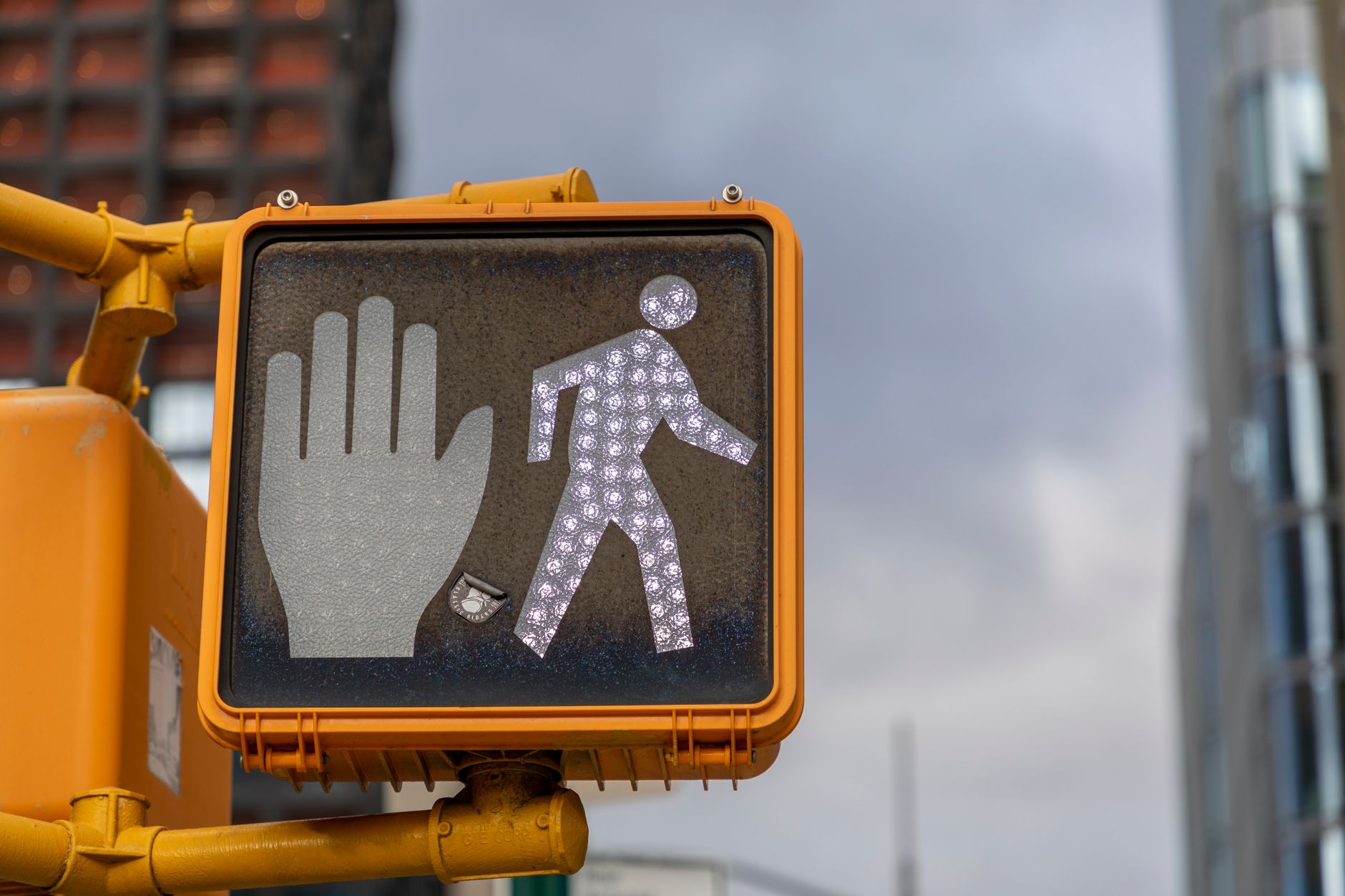
The review will cover left-turn phasing, right turns on red, leading pedestrian intervals and accessible pedestrian signals, city staff told the board during a Nov. 9 informational update. Staff are targeting completion of the update in the first quarter of 2027.
For left-turn signals, staff cited the current practice of considering a change when a pattern reaches three crashes in three years. One option under consideration would delay a flashing yellow arrow at the start of a signal cycle, briefly holding left-turn traffic. Staff also plan to review the threshold for pedestrian intervals, which one staff member estimated at 50 pedestrians crossing per hour, and consider using intersection geometry or signal displays to add intervals more proactively.
The city plans to prioritize high-risk parts of the street network in line with its Vision Zero Action Plan, then consider other locations. Changes could include signal programming or signage, as well as capital projects. Staff said the pace will depend on resources and staff capacity, and the city may seek grants for work it cannot do immediately.
As background, staff cited a decline in left-turn-related crashes after signal practices were adopted in 2018: an average of 91 crashes a year before the practices and 31 afterward across about 500 intersection approaches. The board's November update was informational; members were not asked to approve policy changes.