
Erie commission recommends oil-and-gas rewrite with annual registration
The draft would require annual registration for existing operators and permits for new operations and major changes. Town Council has not adopted the rules or set registration fees.
Erie’s Planning Commission recommended that Town Council adopt a rewrite of the town’s oil-and-gas rules, including annual registration for existing operators and tighter standards for leaks, emissions and inactive wells. The commission approved Resolution P26-15 on Sept. 2. Town Council had not adopted the rules as of Sept. 25.
Under the draft, new operations and substantial modifications would need a town permit and could be located only on parcels zoned Heavy Industrial. Minor modifications would go through an activity-notice process reviewed by the Environmental Services Director. Permit applicants would submit studies and operating plans, including analysis of alternative sites and cumulative impacts, and pay application-review costs. The proposal also sets distances from certain homes, parks, occupied structures, waterbodies and wells.
Existing operations would face a separate set of requirements. The draft calls for annual operator registration, with initial records such as facility maps, flow-line information, emergency plans and spill-prevention plans. Registration would continue until the town approves final reclamation, plugging and abandonment, or decommissioning. Once a well qualifies as inactive under the draft’s definition, the operator generally would have six months to plug it and decommission associated flowlines. A different timeline would require state regulatory approval and the town’s written agreement. The proposed ordinance also authorizes town inspections, including unannounced inspections.
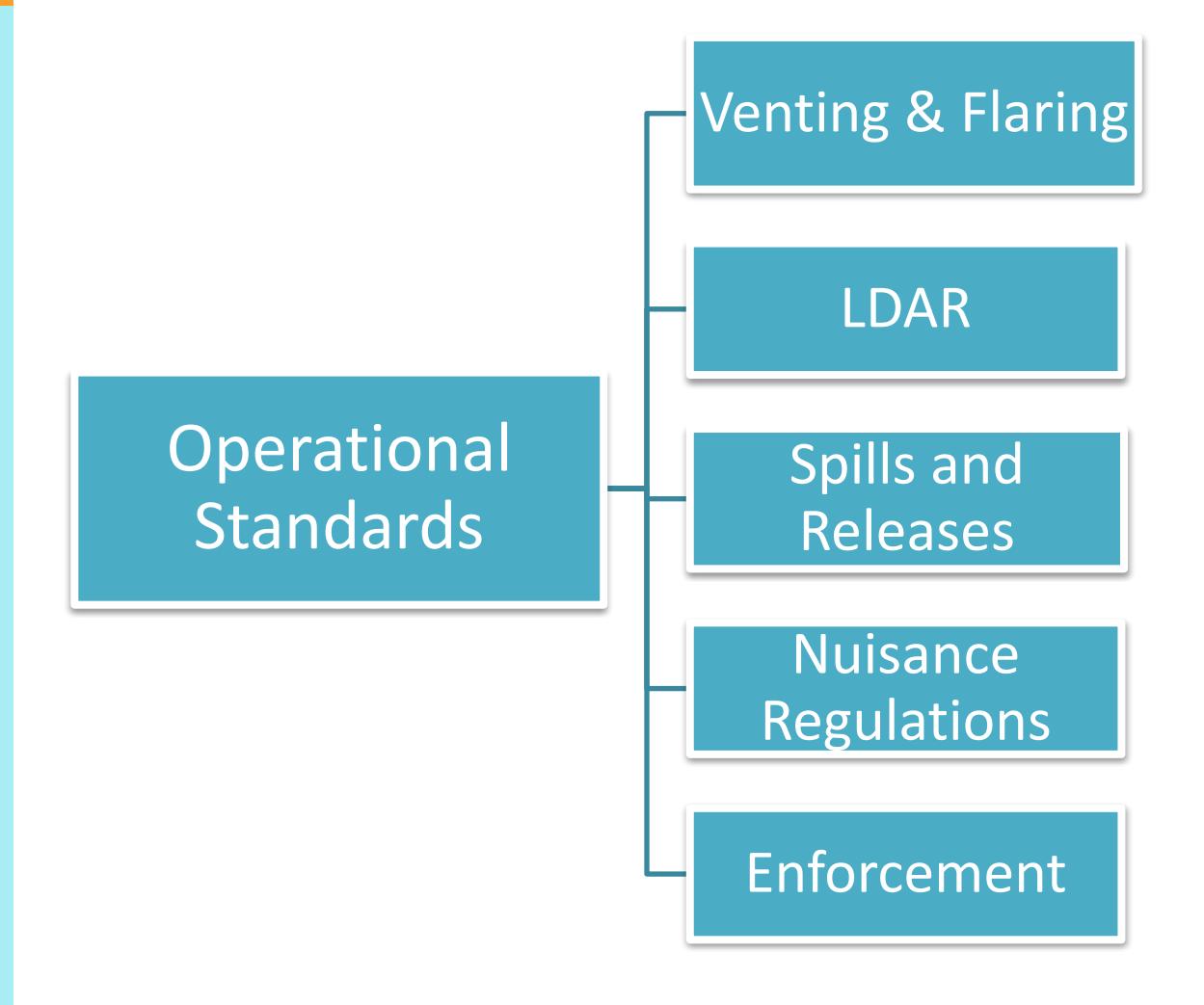
The draft would require operators to conduct leak-detection inspections at least quarterly, restrict venting and flaring except in specified circumstances, and strengthen spill reporting and response. It also includes air- and water-protection requirements, with some monitoring and sampling conditions applying to new permits or substantial modifications. Town inspections are separate from operator leak checks; staff said the town already conducts quarterly inspections of active facilities.
Town staff estimated the proposed registration program could bring in about $150,000 to $200,000 a year to support inspections, air-quality monitoring and oversight, according to the staff report. The estimate is a projection, not guaranteed revenue. The registration fee would be set separately through the town’s fee process; the draft does not specify an amount.
Staff told the Planning Commission the draft would be revised in response to commissioners’ feedback before Town Council consideration.