
Louisville restored 11 acres of open space in 2025 as drought challenged habitat work
The city also seeded 21.63 acres and planted 2,218 plants and 378 trees. Staff cited visitor pressures including e-bike use, illegal encampments and vandalism.
Published at
Louisville’s open-space program restored 11 acres in 2025, planted 2,218 plants and 378 trees, and seeded 21.63 acres, staff told the Open Space Advisory Board.
The work also included treating 4.6 acres for weeds and thatch and establishing 25 pollinator plots. Staff, volunteers and two youth corps carried it out. Staff said the Wildlife Plan is implemented through routine operations across city properties, with Coal Creek among the areas highlighted.
Staff described drought-related low seed establishment, struggling understory plants and difficulty increasing upland biodiversity and maintaining blooms. Some cottonwoods and peachleaf willows failed to establish in part because of insects.
Staff also cited growing recreational pressures, including e-bike use, illegal encampments, social trails, vandalism and disregard for rules or closures. They said limited capacity for visitor awareness and enforcement adds to the challenge.
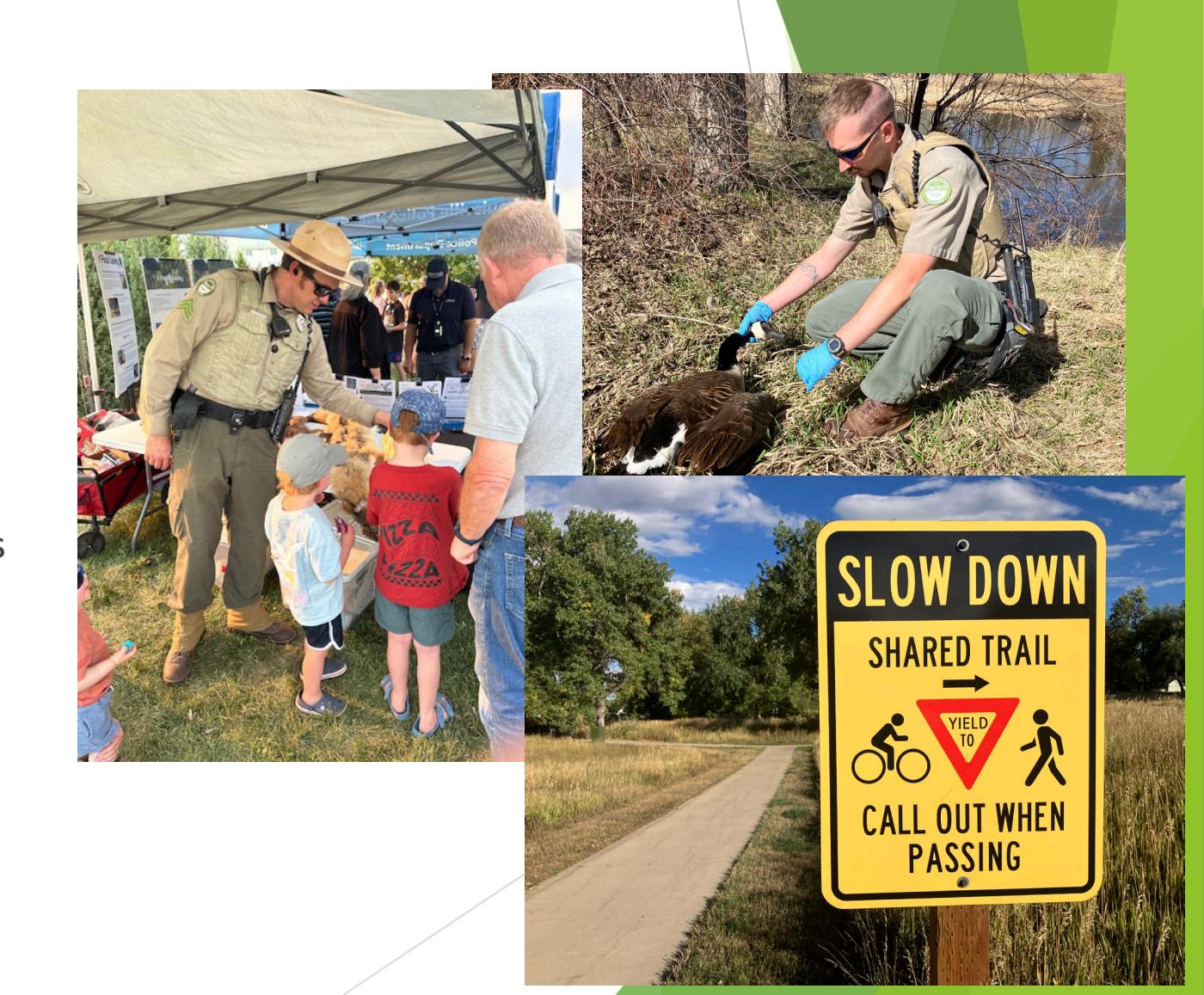
Louisville’s Ranger Naturalist program logged more than 375 miles of foot patrol and about 834 miles of bike patrol in 2025. Rangers made more than 10,000 public-relations contacts with trail users and visitors to parks and open spaces, and about 830 law-enforcement or emergency-response contacts, the program reported. Rangers also held 21 education programs and 10 outreach booths for 1,050 attendees. Their enforcement authority is limited to specified parks and open-space sections of the municipal code. The program identified staff turnover, role complexity, coordination with police and emergency responders, and safety during enforcement contacts as challenges.
The wildlife presentation also lists a Coal Creek assessment, soil amendments, cattail management and ranger onboarding, along with a possible greenhouse or seedling-growing operation. It schedules wildlife and pollinator monitoring and surveying for 2028–29.